The Work Environment Unit helps, advises and supports in issues related to the work environment
TEXT TIIA KYYNÄRÄINEN
PHOTO TUUKKA RANTALA
Key areas for the Industrial Union’s Work Environment Unit include occupational safety and health, well-being at work, development of working life and issues related to social policy, equality and non-discrimination.
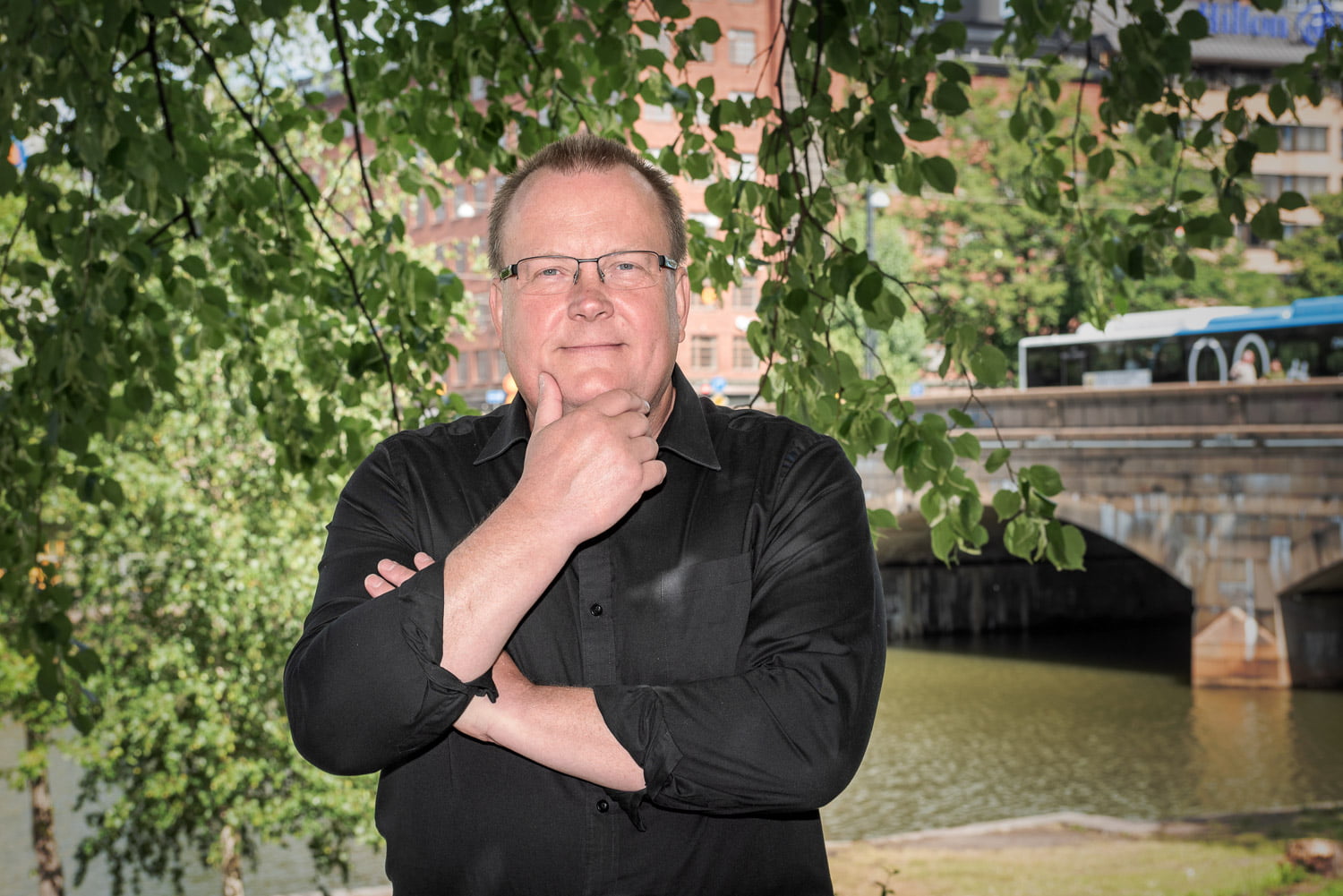
“The Work Environment Unit of the Industrial Union handles issues related to occupational safety and well-being and how to improve them in workplaces. Our unit also develops working life in many ways and in different working groups involved in legislation. We also deal with various social security appeals processes and social policy issues,” says Vesa Kotaviita, Head of the Work Environment Unit.
“In addition to these, we handle issues related to equality and non-discrimination and promote them in various ways in cooperation with the union’s Work Environment and Equality Section.”
The Work Environment Unit works in close cooperation with the union’s advocacy sectors and supports collective bargaining negotiations that touch on key issues overseen by the unit. It participates in the preparation of the union’s policy on advocacy and social impact and in the organisation of advisory services within its area of activities.
“We maintain close and mutual contact with occupational safety representatives. We are also a significant organiser of different training courses at the Murikka Institute and in training offered to local branches.”
The Work Environment Unit of the Industrial Union handles issues related to occupational safety and well-being and how to improve them in workplaces.
One tangible way in which the unit’s work is visible to members is the advisory service for work environment and social security issues, which is available daily. The service provides assistance, guidance and support to members and workplaces in issues related to the work environment and social security.
“Members receive information about workplace health and safety on topics such as personal protective equipment or working in the heat through occupational safety representatives and our unit’s other communications. We also provide legal aid for our members in cases that involve serious work accidents.”
THE WORK ENVIRONMENT IS CHANGING
According to Kotaviita, occupational health and safety at workplaces in the Industrial Union’s collective agreement sectors has improved over the years, but much work remains to be done.
“Still, it is notable that workplaces increasingly fall in one of the two extremes. There are companies that do things properly, go over occupational health and safety issues on a daily basis, identify hazards and assess risks. However, there are also still companies in which things are not in a good state, corrective action is taken only when something bad happens and preventive measures required by law are missing. In these companies, employees are expected to simply adapt to constant hazards in the work environment.”
Finnish working life is changing, and this also affects occupational health and safety. According to Kotaviita, changes to the requirements of work also change what is meant by occupational health and safety.
“It is increasingly important to take the psychosocial load factors of work into consideration. Digitalisation, robotics and artificial intelligence are changing the way people work and impacting occupational health and safety,” says Kotaviita.
“In the future, we’re going to see cognitive factors, memory, thinking and information processing have an increasingly central role in occupational health and safety. Workplaces need to ensure employees’ competence and safety at work in a way that ensures that employees’ job resources are in balance. Managing the balance of job resources will become an increasingly important part of occupational health and safety.”