In support of green foods and multiculturalism – at Famifarm, many nationalities come together every day
TEXT MILLA BOUQUEREL
PHOTOS MATIAS HONKAMAA
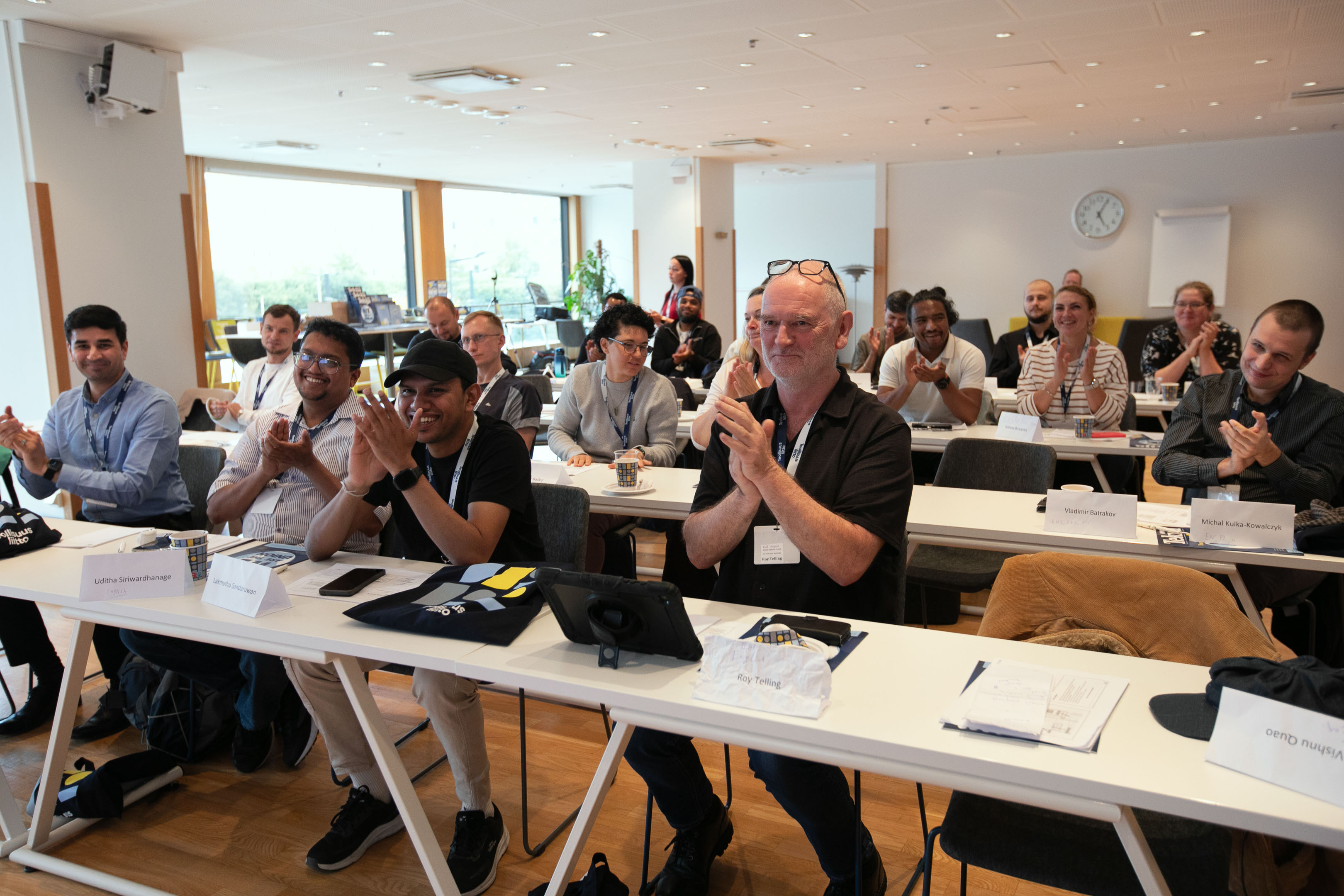
Famifarm Oy, a company owned by Järvikylä Manor in Joroinen, grows herbs and salads for the whole of Finland, all year round. Finns are a minority of the company’s employees. The multilingual and multinational work community has formed gradually and through referrals by old employees.
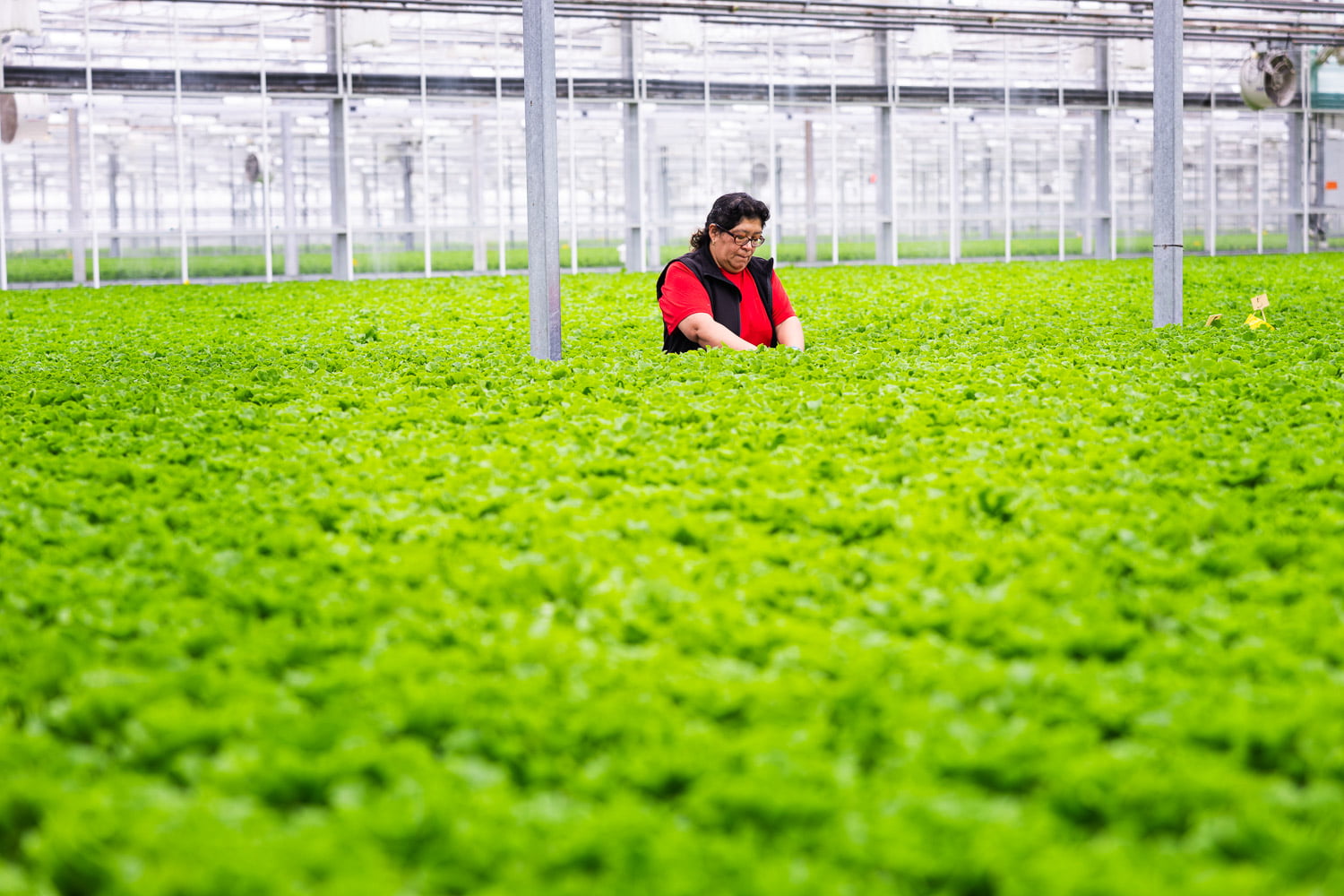
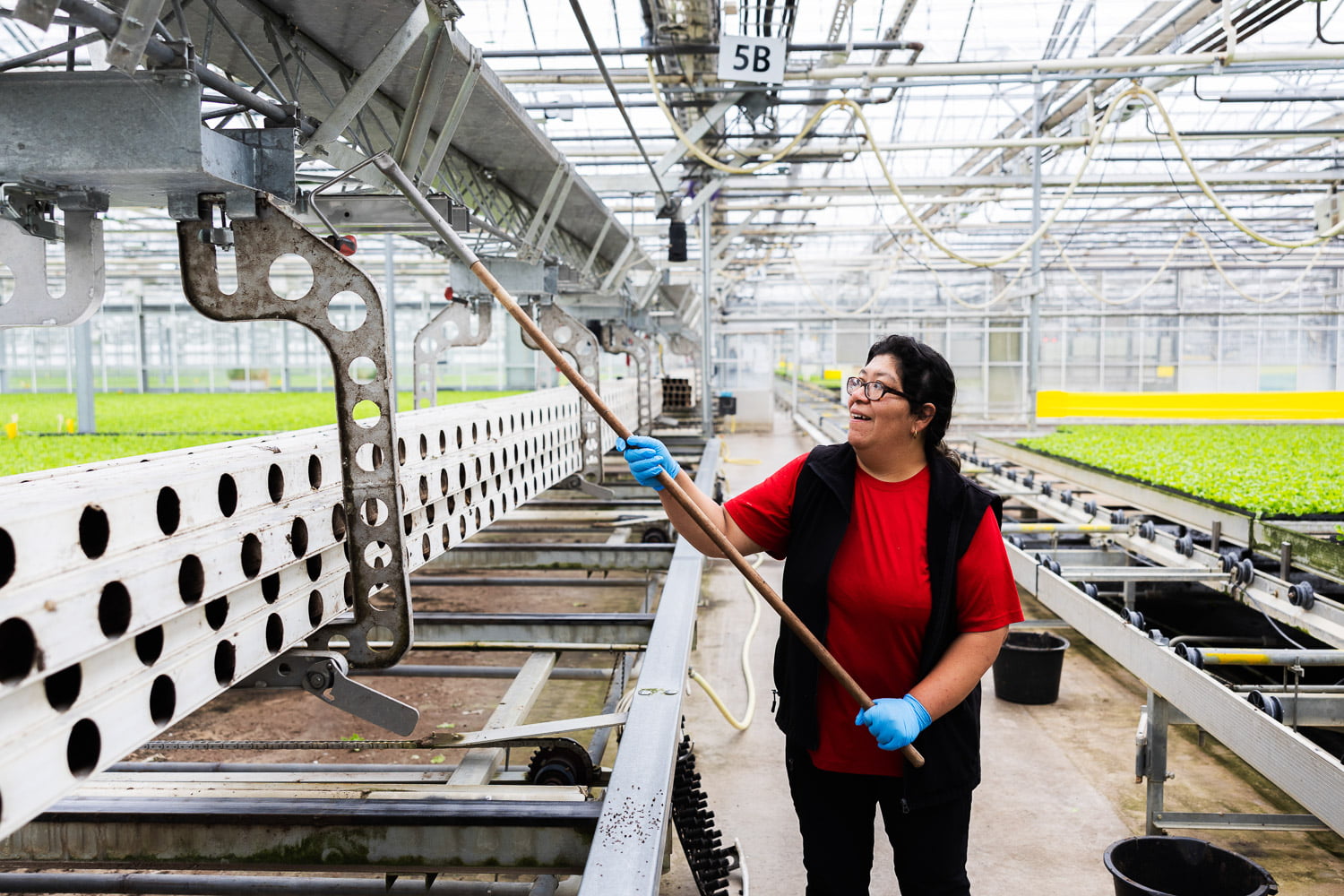
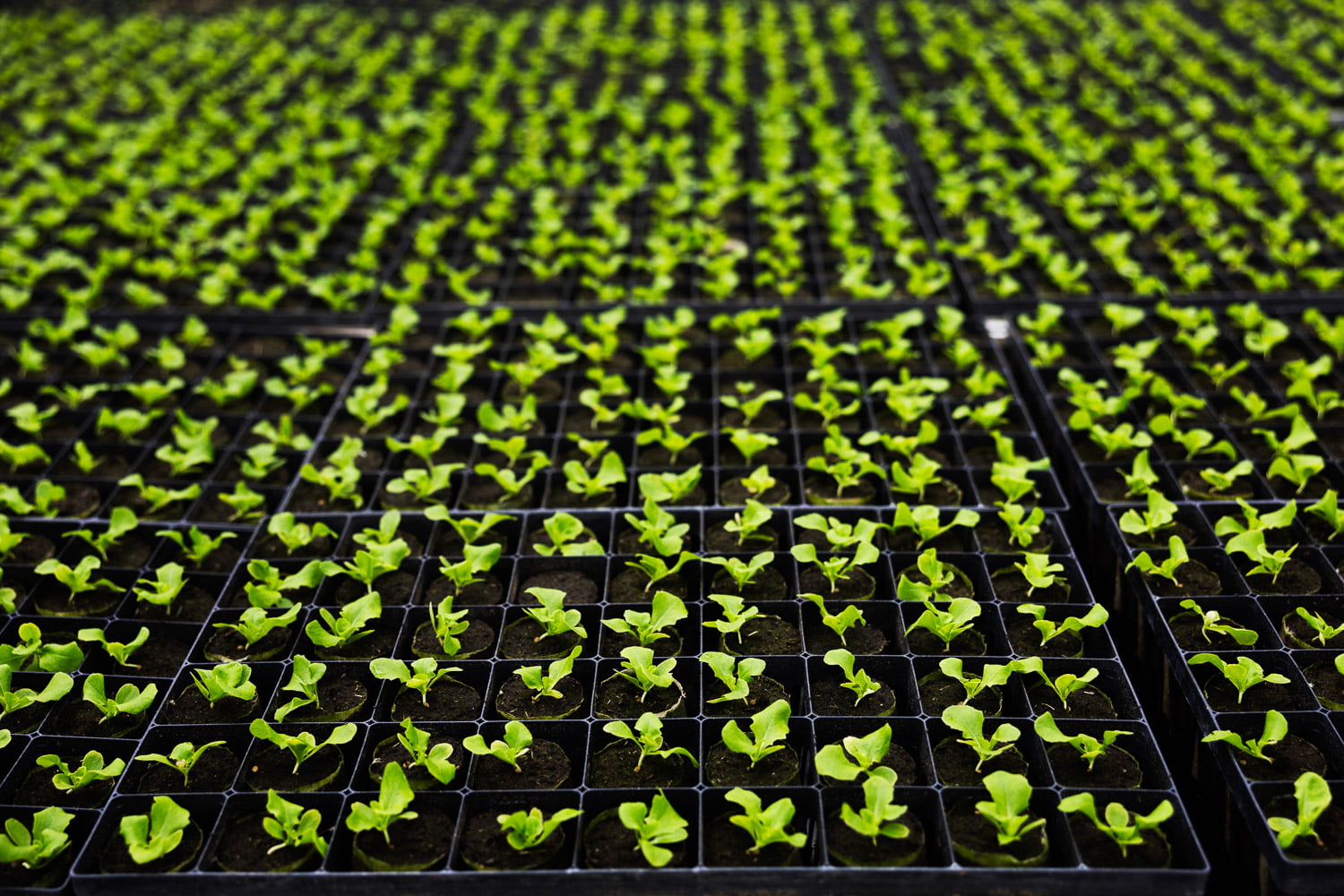
Greenhouse worker Medalith Ponce stands in the middle of a vast stretch of green. Ponce lifts up the plastic growing troughs and checks that the salads are getting water.
The company’s story begins in the 1980s in a greenhouse built in the attic of a barn in Järvikylä Manor in Joroinen. Today, the company’s salads and herbs are delivered all over Finland and parts of Estonia.
Jaakko Huovinen, Production Director, says that the first foreign employees in Famifarm’s greenhouse came from Estonia in the 1990s. Now, the production facility covers an area of 8 hectares. Employees representing 15 different nationalities from Europe, Asia, Africa and South America work in two shifts.
Over the years, the company has perfected its hiring process. The language requirement is Finnish or English.
“We don’t test applicants’ language skills, but we do check during the interview that we can communicate and understand each other at a sufficient level.
It’s also a question of safety,” Huovinen says.
Ponce, who is from Peru, serves as the occupational safety representative for the workplace.
“When a new employee is hired, they are given as much help and support as possible,” Ponce says.
IT TAKES A WHILE TO GET TO KNOW A FINN
“Busy. Pretty nice,” says Ponce, who has moved to the trough washing station, when asked about her work.
“I’m always happy when I come to work, even if it can get busy.
Famifarm’s orders have short delivery times. Products are delivered to the customer usually the next day after an order and in 72 hours at the most. Around 80,000 seedlings of salads and herbs are planted each day. The growing time is three to seven weeks. Work in the greenhouses follows the harvesting schedule.
When Ponce started at Famifarm seven years, she had never seen so many foreigners in Finland.
“In Varkaus, I always felt a little different. I spent time with Finns and learned the language.
I found Finns to be calm and shy.
When Ponce arrived in Finland from Peru around Christmas 2000, her first impression of the country was that “all Finns look and sound the same.”
“I found Finns to be calm and shy, even cold.
Whereas people in Peru want to communicate, Finns prefer to get to know the other person.
“People would observe what I was doing but didn’t have the courage to speak to me,” Ponce recalls.
EMPLOYEES RECOMMEND WORK AT THE GREENHOUSE TO FRIENDS
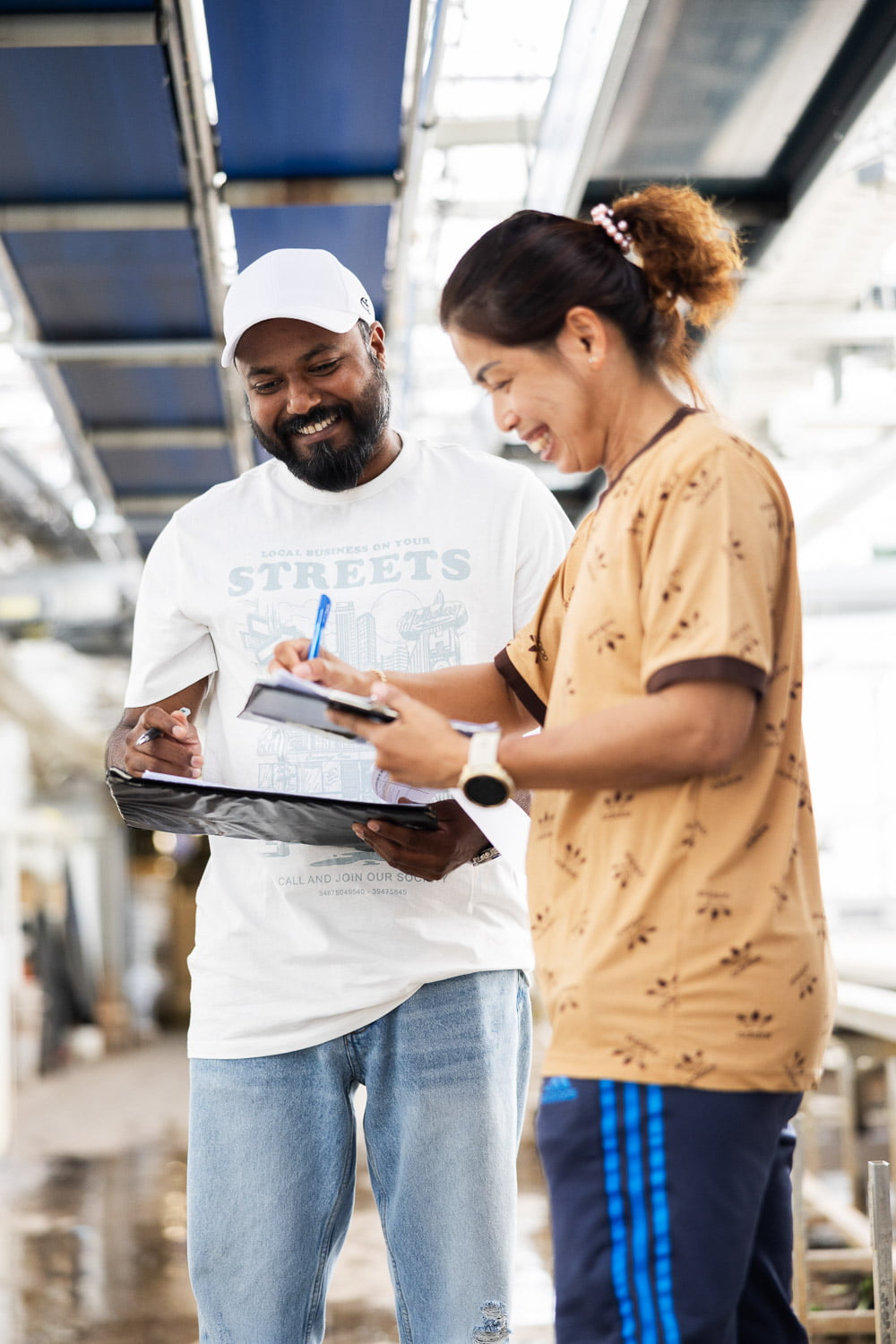
“Järvikylä is a great place to work in Finland and even on a global scale,” says shift leader Aneel Harison.
“I was welcome here when I couldn’t find work elsewhere.
Harison, who is from Pakistani, feels that the multicultural environment makes the workplace easy for new employees to join.
“The work atmosphere is good. No one is bullied or harassed. Everyone respects each other.
The work atmosphere is good. No one is bullied or harassed. Everyone is respectful of each other.
Although the atmosphere at Famifarm is encouraging and warm, Ponce remembers experiencing racism early on during her employment.
”While working on the production line, I overheard people saying unpleasant things about foreigners. The worst part was that I knew Finnish and could understand what was said. Many times, I’d go home from work in tears.”
These days, employees have no longer faced discrimination. New workers often come to Famifarm at the encouragement of old employees.
Harison, who has lived in Finland for 15 years, has a vocational qualification in institutional catering. While working in a coffee shop, he got acquainted with a fellow Pakistani, who recommended that he apply to work at Famifarm.
“I was single at the time and it was easy for me to change jobs,” says Aneel, who is now a father of two.
Harison was surprised to see so many other nationalities, including his fellow countrymen, in the small town of Joroinen.
Ponce had just come back to Finland from Peru when a friend brought her to see the greenhouses.
“I remember standing in the yard and thinking I’m not going in there. It looked so small from the outside,” Ponce recalls, laughing.
RESPECT FOR CULTURES IS KEY
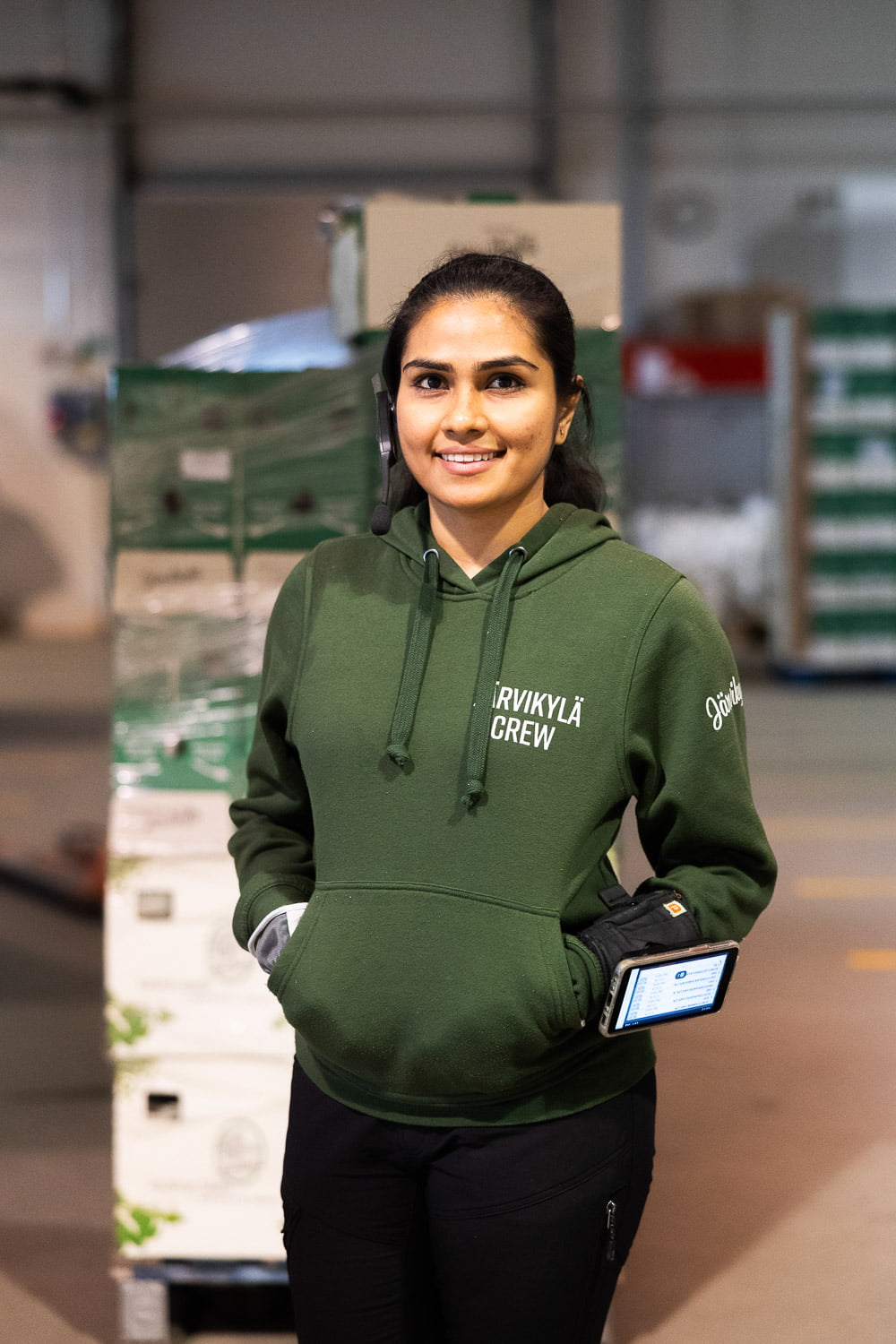
Every day, ten trucks loaded full with greens leave the Järvikylä loading yard. In the cool warehouse, where the final steps of Famifarm production process take place, dispatch room worker Rizana Sheriff signs off the day’s outgoing deliveries on a digital picking list.
“The dispatch department has a great responsibility to ensure that customers receives what they have ordered and that deliveries are sent off on time.”
“Equality, respect for other cultures, teamwork and kindness,” Sheriff says, listing things that she values in her workplace.
Sheriff is a newcomer at the workplace. She found the job through recommendations by others.
“A recommendation by an employee is a big deal. If I recommend a job to a friend or family member, I need to be happy there myself.
Sheriff enjoys her work.
“As an employee, I feel that I am taken care of. My opinion matters.
A recommendation by an employee is a big deal. If I recommend a job to a friend or family member, I need to be happy there myself.
Sheriff, who is from Sri Lanka, speaks English and is studying Finnish in the evenings with an online course.
“It’s all about your motivation for self-studying. The most important thing is to try, even if you make mistakes with the grammar.
“When I came to the dispatch department, there were only Finns working here, but I never felt excluded. Now, I speak Finnish and they help me learn the language.
Finns make up a third of all of Famifarm’s employees, but only around 10% of production workers. In the dispatch warehouse, we meet Mika Laitinen, who represents the minority of ethnic Finns. Laitinen says that he pays no attention to the matter.
“One place where it is noticeable is the fact that not all employees necessarily know Finnish.”
Laitinen says that his English skills have also improved.
“In turn, I teach Finnish to those who are learning the language.”
EMPLOYEES WISH FOR FINNISH LANGUAGE TEACHING
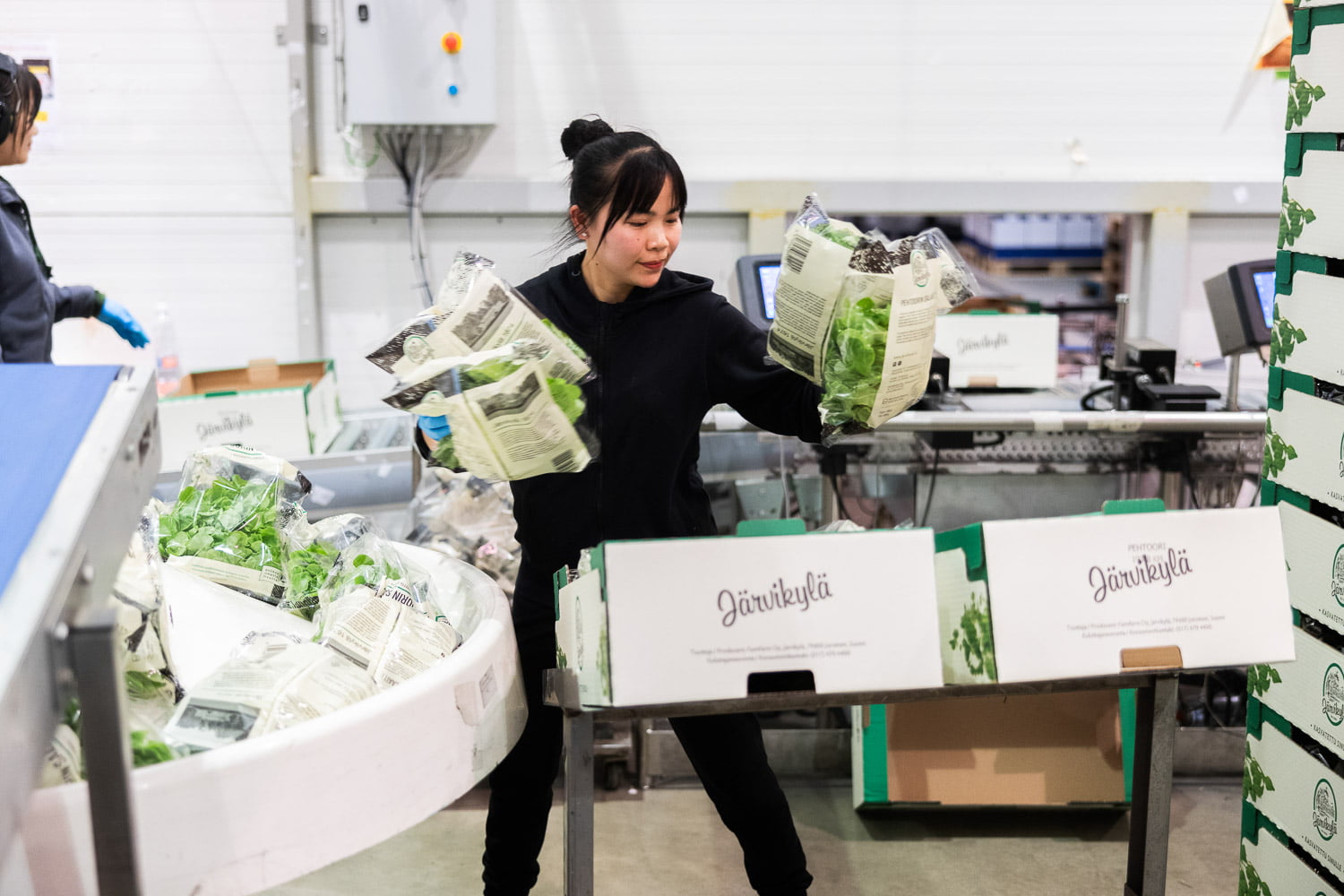
Famifarm produces 25 million potted herbs and salads each year. A tour of the production facilities and workstations shows the journey of salads from seedlings to fully grown plants, after which they are weighed and shipped off to consumers.
Shift leaders Aneel Harison and Natalia Baltsevich review the day’s order list. The work is as much about taking care of paperwork as meeting people.
“During my shift, I check that people work well and safely and that products are delivered to the packaging room on time,” Baltsevich describes her work.
Baltsevich and her husband initially tried out the work by commuting from across the border before deciding to move to Finland.
“We had long wanted to move to Finland. Many of our relatives live here.
Also in Natalia’s case, she has relatives who also work at Famifarm.
“When I moved here, I didn’t speak much Finnish, but it didn’t matter. Everyone is helpful and friendly,” says Baltshevich, who moved to Finland from Russia.
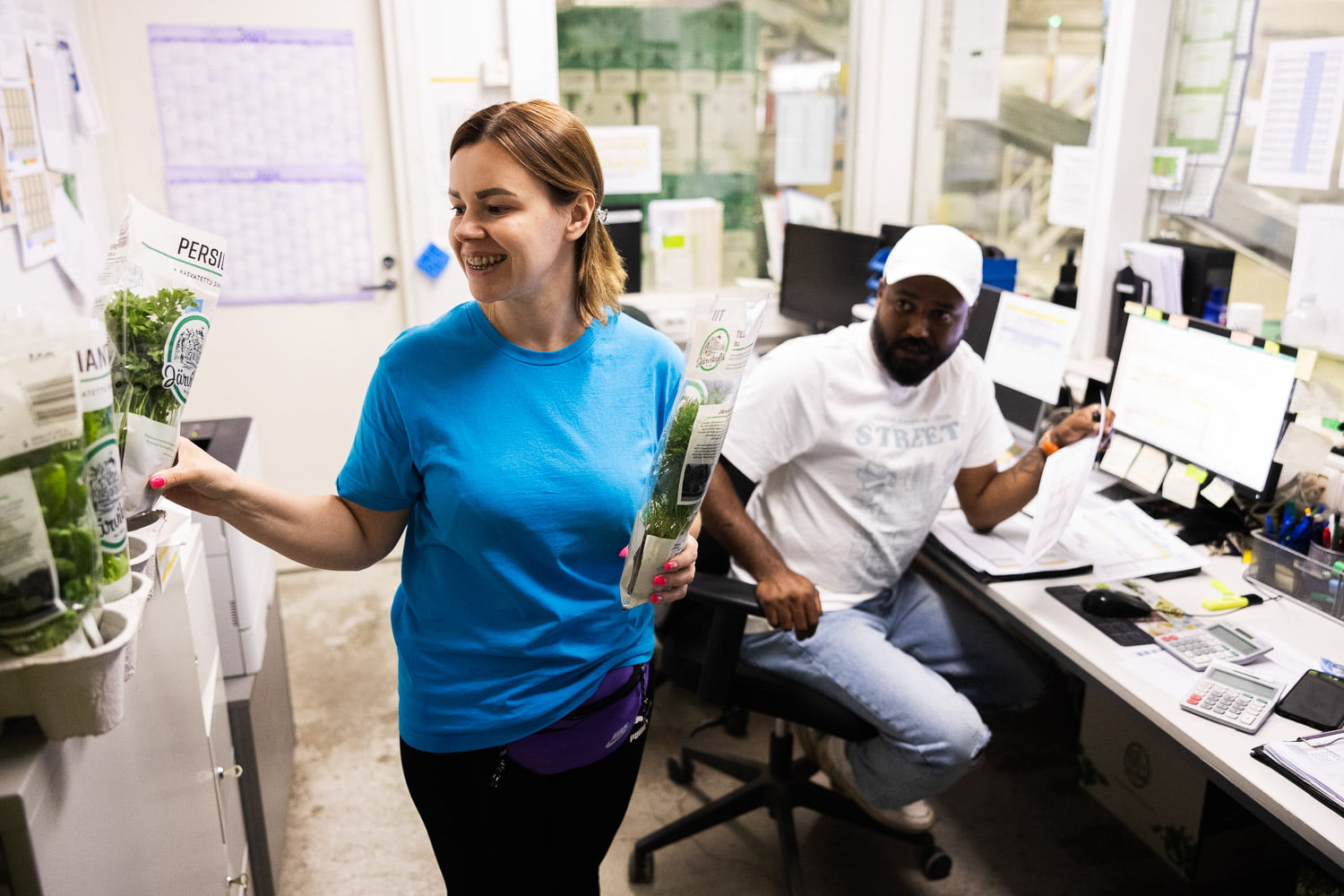
Baltsevich was already proficient in Finnish when she switched to a team where nobody else speaks Finnish.
“Now I’m studying English.”
Famifarm has offered Finnish language courses in the past. According to the employees, the teaching wasn’t challenging enough, and the courses weren’t popular.
Harison feels that there is a need for language courses.
“There’s more to life than the work we do here in Järvikylä. You can’t always get by with only English.”
Later, Pia Honkanen, HR manager at Famifarm, says that the company has heard the wishes for language courses.
“Together with a few service providers, we are looking at the possibility of offering courses with different skill levels and teaching methods.”
WANTED: SHOP STEWARD
Famifarm’s production workers are not currently represented by a shop steward. Ponce and Harison agree that having a shop steward would be useful.
“We have so many foreigners working here. It would be good to have someone who isn’t affiliated with the employer and to whom employees could turn to with problems.
Ponce feels that the Finnish language requirement may discourage potential candidates.
“It’s a big responsibility and requires knowledge of the law. There’s a lot to learn.”
Production Director Huovinen says that proficiency in Finnish is not a requirement for the shop steward. English is sufficient for taking care of matters.
“We encourage employees to elect a shop steward with whom we could work together to improve the workplace.”
Huovinen wants to know what kind of support or advice foreign employees would like to receive from a Finnish employer.
Ponce brings up the bureaucracy and residence permits. A permanent residence permit requires a steady job. That is a harsh requirement in today’s job market in Finland.
“There’s always the uncertainty of whether you’ll still be employed in the future,” Ponce says.
FAMIFARM OY
FOUNDED in 1987. The owner of Järvikylä Manor, Karl Grotenfelt, founded Famifarm Oy in a greenhouse built in the attic of the manor’s barn.
LOCATION Joroinen. Vertical farming facility opened in Juva in late 2023. Sales office in Helsinki.
OWNERS Primary owners: siblings Caroline Grotenfelt-Fyhr (Managing Director) and Albert Grotenfelt (President of the Board)
PRODUCTION Herbs and salads to Finnish and Estonian markets. Product range includes 15 different salads and 35 herbs.
EMPLOYEES 160, of whom around 140 people in production tasks (including maintenance)
TURNOVER 23.1 million euros (in 2023).
A positive experience of self-growth
“I still have the same passion for the work as when I first came here,” says Phung Luong Tieu.
Tieu, who is just over 30 years old and originally from Vietnam, first started work at the greenhouse as peak season help a few months after arriving in Finland on a spouse visa.
Last spring, Tieu was promoted as foreman of the seedling team. Before that, she worked for five years as a shift leader.
Tieu says that her time at Famifarm has helped her grow and change as a person.
“I didn’t have a lot of work experience and was really shy back then.”
When the employer presented me with an opportunity, I realised that I could learn and develop and also give myself a chance.
What have those changes looked like? Tieu thinks for a moment.
“When the employer presented me with an opportunity, I realised that I could learn and develop and also give myself a chance.”
Tieu says that she doesn’t hesitate anymore. Her shield is dropped.
“I’m going forward with the company. I’m open to new things.”
A GOOD FOREMAN KNOWS WHAT EMPLOYEES NEED
In Vietnam, Tieu ran a hair salon with her mother. Tieu considers Famifarm to be her dream job.
“I like vegetables. You can’t make a Vietnamese dish without vegetables. Coming to work at Järvikylä was a positive experience for me.
As foreman, Tieu draws from her background as a greenhouse worker.
“I want to create a comfortable working environment where people can share thoughts and be heard. Because I used to be an employee, I know what it takes to achieve that.”.
Tieu reflects on what was the biggest thing that made her progress in her career:
“I’m the kind of person that I always do things diligently and all the way.”
According to Tieu, diversity is one of Famifarm’s strengths.
“It makes us strong. We’re always learning from each other.”