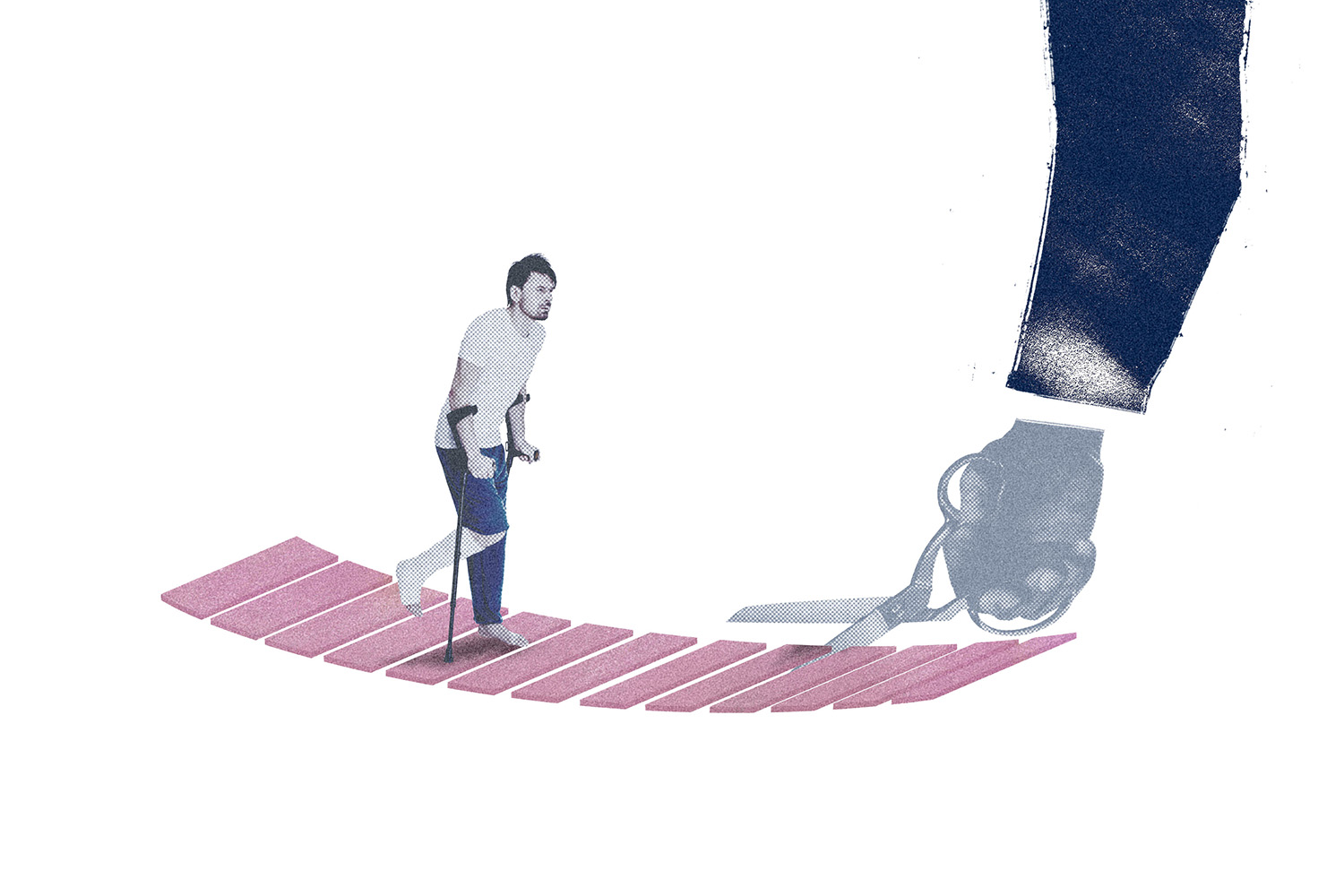
Court: Sick pay was also required to be paid to an employee receiving partial sickness allowance
TEXT ANTTI HYVÄRINEN
ILLUSTRATIONS ESKO KUMPUNEN
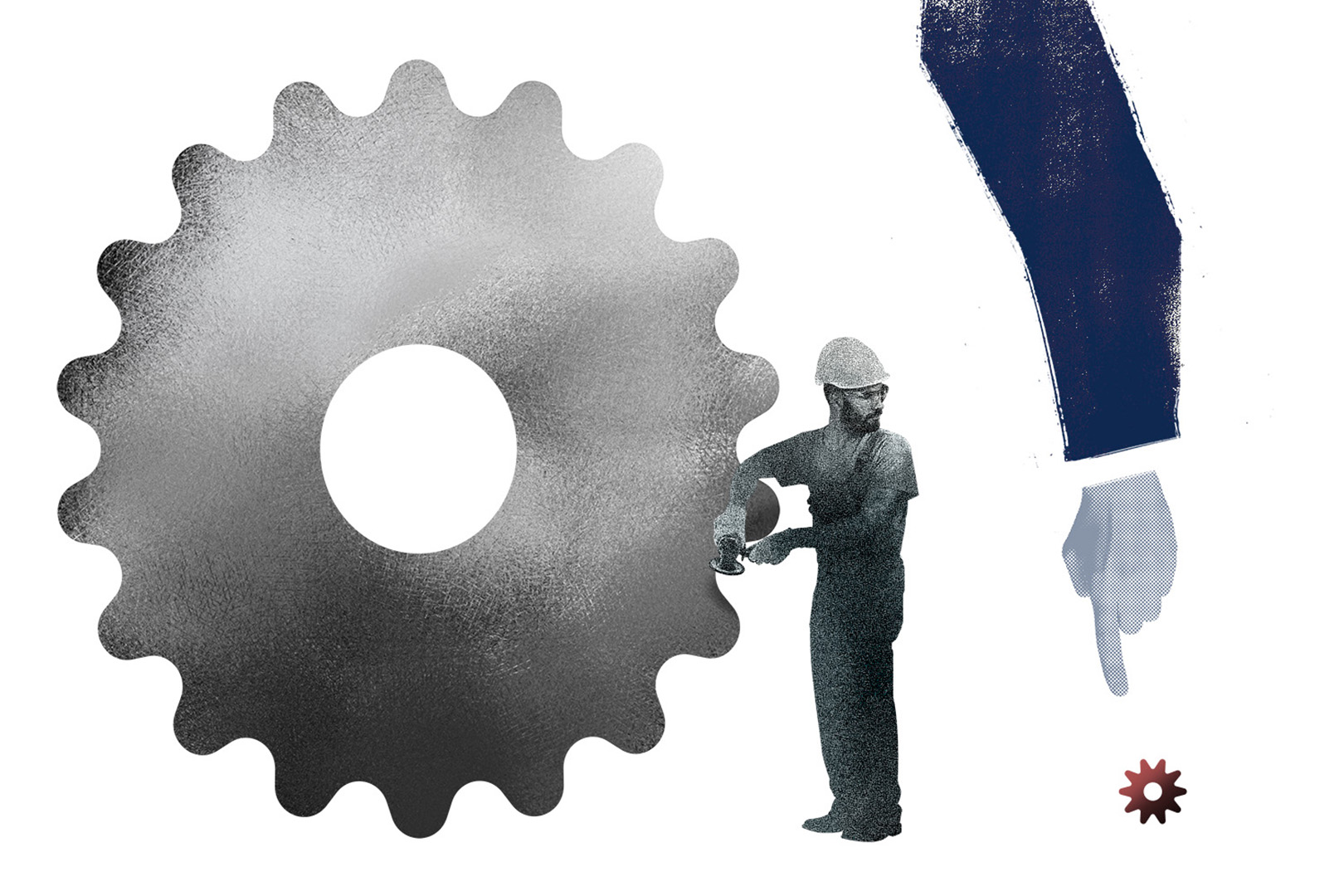
The Labour Court ruled that a part-time employee receiving partial sickness allowance is comparable to other part-time employees.
Amember of the Industrial Union was absent from work due to illness for about two months at the end of 2024. The employee returned to work, initially working 40 percent of their usual weekly working hours and later 60 percent of the hours.
While working part-time, they were receiving partial sickness allowance. The employee worked in three-shift work, performing the same duties as before the two-month absence.
The partial sickness allowance system has been in effect since 2007. The goal of the system is to support an employee’s return to their work after an extended period of sick leave.
While working a shortened workweek, the employee came down with the flu and developed a high fever. The employee was absent from work for three days due to the illness.
The employer refused to pay the employee sick pay, citing a provision in the company-specific collective bargaining agreement and the fact that the employee was receiving partial sickness allowance.
Under the collective bargaining agreement, an incapacity for work resulting from another illness or accident that begins during a period of incapacity for work or immediately thereafter is considered the same incapacity for work for the purposes of sick pay. In this case, the payment period for sick pay does not start over from the beginning.
In order for sick pay to be paid from the beginning, the employee must be “fit for work” and working between the periods of incapacity, as specified in the collective bargaining agreement.
The employer’s interpretation was that the employee receiving partial sickness allowance was not considered to be working as fit for work, because under the Health Insurance Act, the employee was deemed unfit for work. According to the employer, this interpretation is standard practice among employers.
The Industrial Union’s interpretation was that the part-time employee was working as fit for work because they were able to perform their duties assigned by the employer in accordance with their employment contract.
The Industrial Union also took the view that equal treatment of part-time employees requires that an employee receiving partial sickness allowance be paid sick pay in the same manner as other part-time employees.
The Industrial Union granted the member legal aid and brought the matter before the Labour Court.
EQUAL TREATMENT IS MANDATORY
The Labour Court issued its ruling in March 2026. According to the court, sick pay was required to be paid to a part-time employee receiving partial sickness allowance
In the same manner as the Industrial Union, also the court found that a part-time employee receiving partial sickness allowance is comparable to other part-time employees. Equal treatment requires that both be paid sick pay under the same conditions.
The Industrial Union’s legal aid covers all costs associated with legal proceedings, meaning there is no financial risk to the member.
The employer’s argument regarding established industry practice did not convince the Labour Court, which found that there was no practice in the industry agreed upon by the parties, and that a collective bargaining agreement cannot deviate from mandatory legislation.
The Labour Court ordered the employer to pay the employee three days’ sick pay, amounting to approximately 500 euros. The Labour Court also ordered the employer to pay the Industrial Union’s legal costs, totalling more than 13,000 euros.
The Industrial Union’s legal aid covers all costs associated with legal proceedings, meaning there is no financial risk to the member.