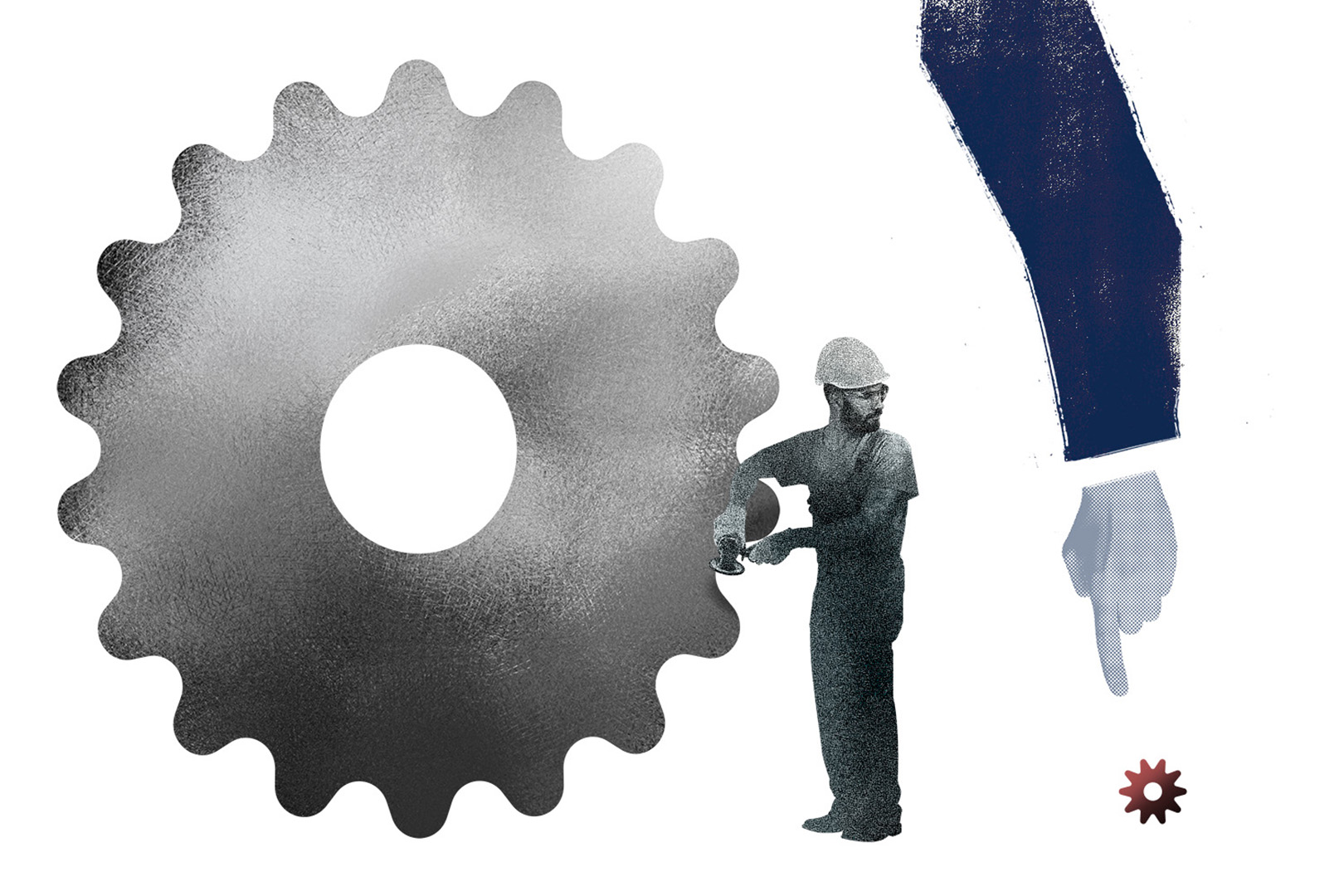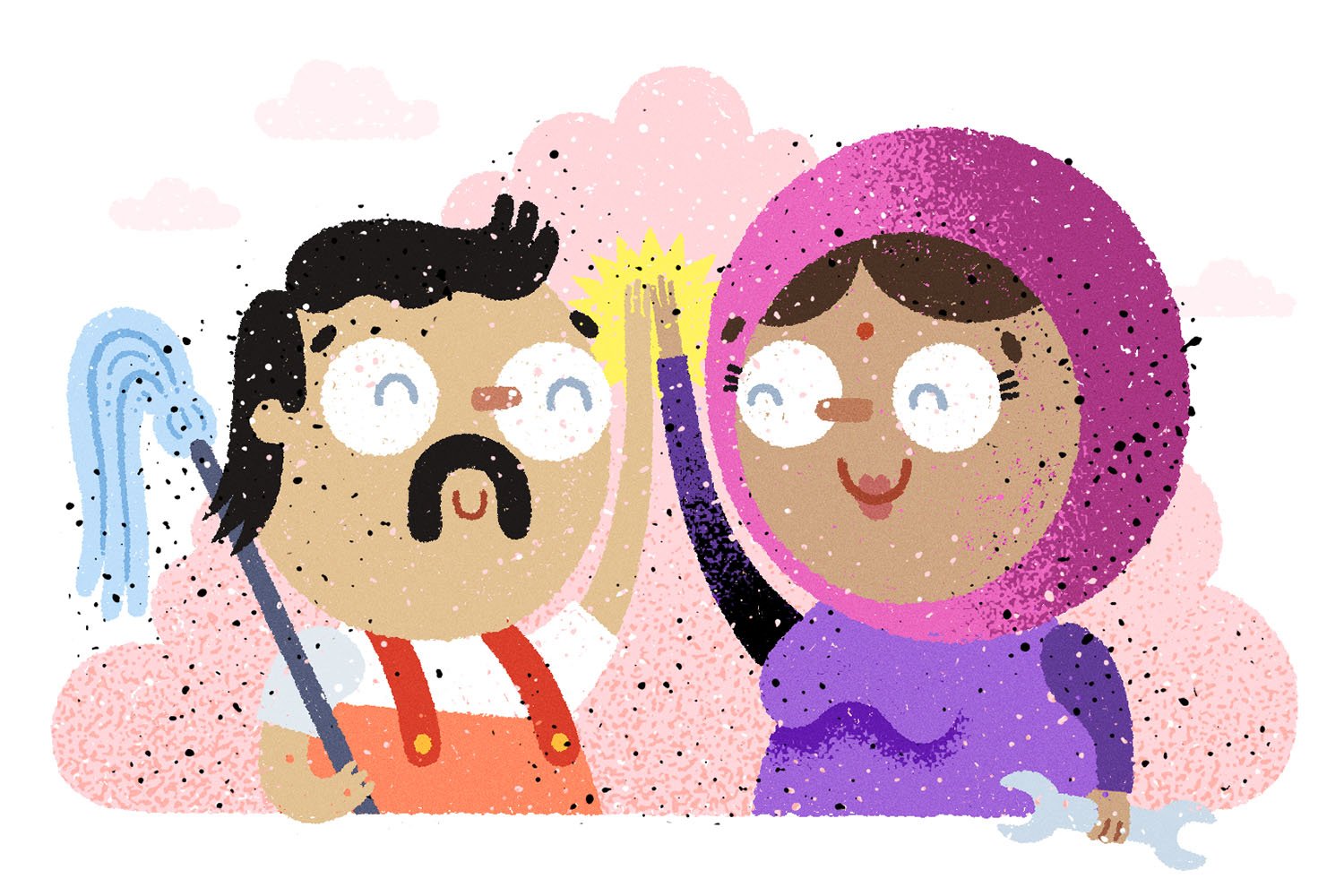
Trade unions provide better livelihoods, security and a path to influence society
TEXT ANTTI HYVÄRINEN ILLUSTRATION TUOMAS IKONEN
The trade union movement is a key builder of the Finnish welfare society. The movement’s strength comes from active members. The task is to defend workers and the weakest in society.
The Finnish welfare society was built through cooperation after the First and Second World War. Workers, employers and governments sat down to negotiate and decide the future of the country.
Key social safety nets, such as social security and the pension system, have been built through tripartite negotiations.
“The trade union movement has been strongly involved in negotiating and reaching solutions during difficult times,” says Jyrki Virtanen, Labour Market Director at the Industrial Union.
The core mission of the trade union movement has not changed significantly during its history. Today, the trade union movement continues to defend workers and the weakest in society.
“The conflict between workers and capital has not disappeared. The trade union movement seeks to level the playing field,” Virtanen says.
COLLECTIVE AGREEMENTS BRING SECURITY
A collective agreement is a tool used to ensure reasonable working conditions and minimum wages. In most industries, collective agreements are universally binding, which means that they must be followed at all workplaces.
“Collective agreements are the core mission of the trade union and the most important benefit to members”, Virtanen says.
In order for a trade union to negotiate reasonable collective agreements, it must have the mass power of a large membership.
“The trade union movement is not a building in Hakaniemi, Helsinki. It is made up of members who believe in the movement,” Virtanen says.
A SOCIETY FOR EVERYONE
In many respects, the traditional model for agreeing on common issues has come to an end, as the side of employers has cut off tripartite negotiations and the right-wing government of Orpo and Purra has set out to shape society while ignoring the concerns of workers.
“Society should be for everyone, not just for employers and right-wing parties,” Virtanen says.
In the current state of affairs, the need for mass movement and activism is clear.
“If the level of unionisation of workers is not high enough and people do not vote for parties that push the interests of ordinary people, then we’re headed in the wrong direction,” says Virtanen.
THE SAME RULES FOR EVERYONE
As Finland’s population ages, maintaining the current society requires immigration and new working-age Finns.
However, the current government’s policy seems to create opportunities for the exploitation and unequal treatment of immigrants by employers.
The trade union movement fights for equal rights and benefits for everyone working in Finland.
“Society must be built in a way that ensures that people coming from elsewhere are not treated as second class citizens. We must have a society that people want to move to and feel welcome in,” Virtanen says.
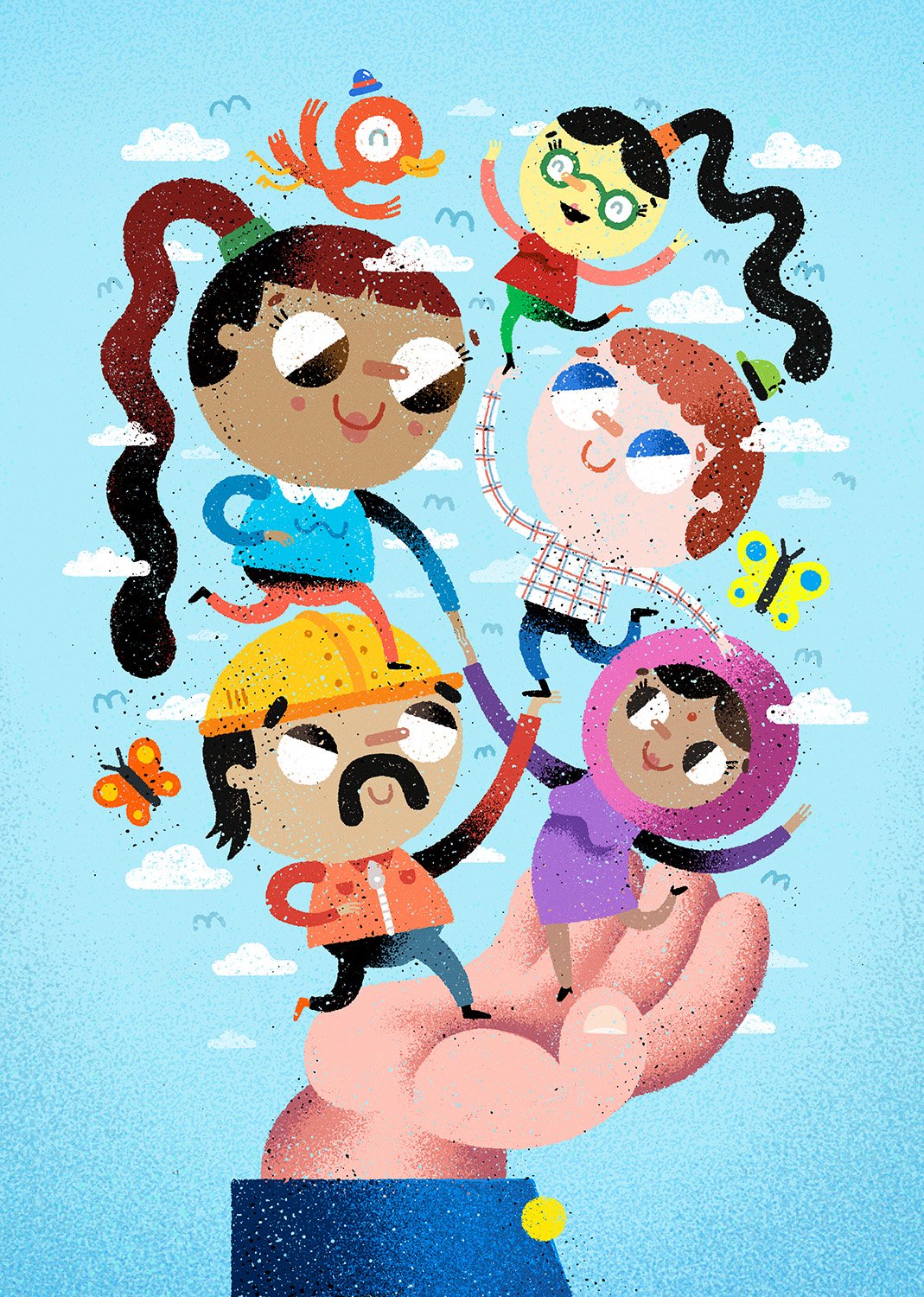
BUILDING A MORE HUMANE FINLAND
Finnish society would look very different without the existence of a strong trade union movement to negotiate with employers and the central government, says Senior Lecturer Mika Helander from Åbo Akademi.
“Their significance has been tremendous. The trade union movement has found effective ways to guide society in a more humane direction through negotiations and agreements,” Helander says.
Historically, the working class and owning class used to be clearly separate from one another. More recently, the ownership of publicly listed companies has become more scattered and the class identities of workers more diverse. National borders are also becoming less relevant.
“The trade union movement has not been fully able to keep up in the transformation of capitalism. Capital is no longer that interested in negotiations,” Helander says.
When dealing with international conglomerates, the advocacy work of trade unions must be global in scope. While there are good examples of cross-border advocacy work, much work remains to be done.
Political regulation is also needed to offset the negative effects of the free movement of capital.
“In order for people to rediscover the importance of negotiation, restrictions must be placed on the kind of capitalism that is indifferent towards consequences.”
A LACK OF UNDERSTANDING
In Helander’s estimate, societies today are plagued by a lack of understanding. People both refuse to understand the views of the opposing side and fail to understand how society functions.
“Society is a complex system, with conflicts of interest that are not the result of ill will but are caused by structures. Different views need to be listened to,” Helander says.
In public policy, it is important to understand that choices have far-reaching effects. Budget cuts in one place can lead to a larger bill somewhere else.
“There are people in leadership positions who fail to understand the indirect and cascading effects within society.”
Helander believes that the primary function of the trade union movement—now and in the future—is to increase the level of information and understanding of society.
“Democracy is based on a large proportion of the population having an understanding of social issues. The trade union movement has an important educational task in society,” Helander says.
ACTIVE CIVIL SOCIETY
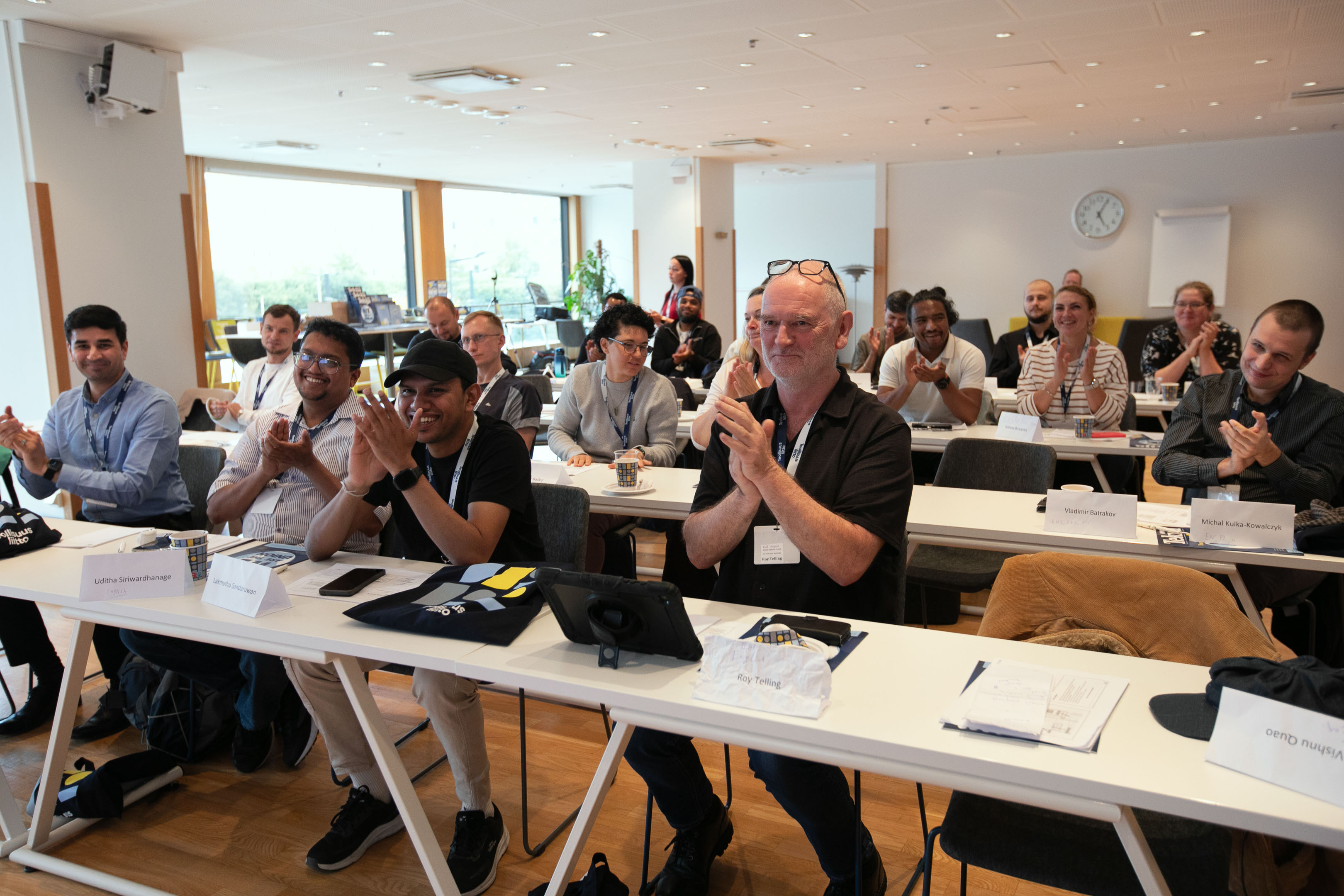
Joining a trade union is a way to look after your terms of employment and make a difference in the workplace and the larger society.
“The trade union is a channel through which people can get their voice heard,” says Mika Häkkinen, Organising Coordinator of the Industrial Union.
An active trade union movement is part of a functioning and active civil society.
“Without civic participation, there is no democracy. The definition of democracy is that people have the right and freedom to participate in public activities and decision-making. It is absolutely not limited to voting alone,” says Häkkinen.
For immigrants arriving in Finland, the trade union is a way to settle into the new country and become an active member of society.
The Serious Grounds campaign by member unions of the Central Organisation of Finnish Trade Unions SAK, which opposed the politics of the right-wing Orpo-Purra government, was an example of interest representation by trade unions. More than 2,000 Industrial Union members participated in strike committees, and as many as 60,000 took part in the political strikes.
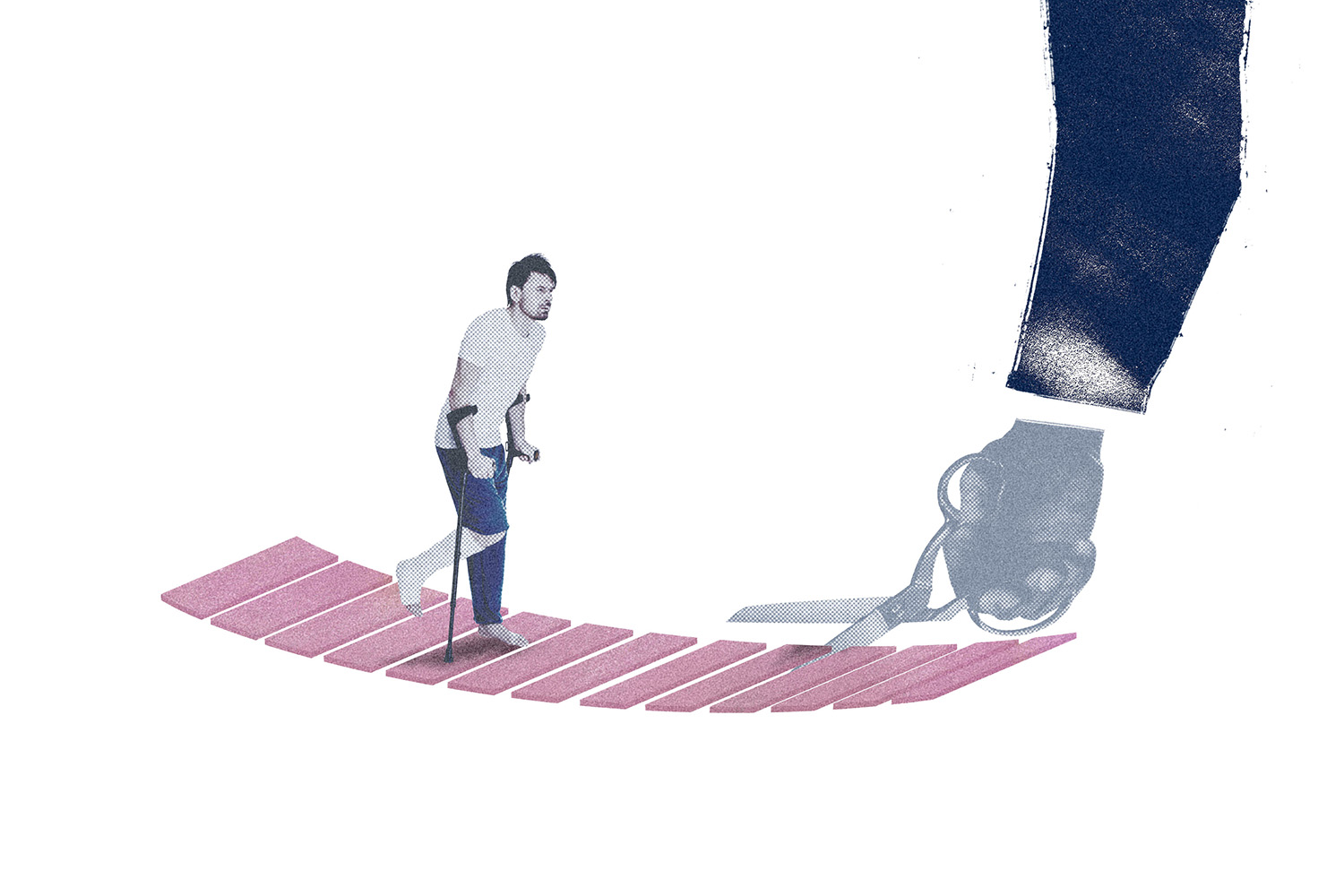
The restrictions on employees’ right to strike were rammed through by the government and came into force on 18 May 2024.
“Restricting citizens’ freedom of action is a sure sign that we are treading in dangerous waters. Something is not right when the interests of businesses are more important than those of citizens, says Häkkinen.
DIRECT INTERACTION
These days, we hear a lot of talk about individualism, but the need for communities has not gone anywhere.
“The workplace is where trade unions live and breathe at their purest. There, community building happens in practice,” says Häkkinen.
Electronic connections have made the world smaller, but people still have the basic need to see others face-to-face.
“The secret weapon of trade unions is direct human interaction, on which everything else is built.”
It’s always a good thing to belong to a union. Häkkinen says that the reasons for joining are the same for Finnish and foreign workers. Unionisation is the way to protect terms of employment and wages.
“For immigrants arriving in Finland, the trade union is a way to settle into the new country and become an active member of society.”
SUPPORT AND BALANCE
Niko Pankka, Head of Public Affairs at the Central Organisation of Finnish Trade Unions SAK, says that working life is undergoing significant changes due to digitalisation, globalisation and the green transition. An essential role of trade unions is to support workers during this transformation.
“The role and mission of the trade union movement is about building a better working life and influencing workplaces and society as a whole,” says Pankka.
The politics of the right-wing Orpo-Purra government weaken the position of employees in many ways.
“If the government implements its programme as planned, policies to offset the impacts will be necessary in future parliamentary sessions.”
The best knowledge of working life is in trade unions. Their role is important now and in the future.
Possible balancing measures could involve increasing employee representation and power in corporate governance and by transferring the priority of interpretation in disputes to employees.
In the future, generic public advocacy work and things like election campaigns will become more important than ever.
“Advocacy work will focus more on influencing at the grassroots level instead of participating in official negotiations,” says Pankka.
NEW MEMBERS
As a result of the politics of Finland’s right-wing government, the exploitation of foreign workers threatens to become more commonplace.
“The risk of foreign workers agreeing to bad terms of employment due to a lack of information or under pressure is great,” says Pankka.
Information and mass power are also what protect the rights of workers of foreign background.
“It is essential that we are able to increase the unionisation rate of employees of foreign background. The trade union movement could be more involved in the processes of work-based immigration. This way, the union could reach out to new workers and disseminate information from early on.”
The environment in which the trade union movement operates has changed drastically in recent decades, but a healthy society will continue to need trade unions.
“As the government has admitted, the best knowledge of working life is in trade unions. Their role is important now and in the future,” says Pankka.