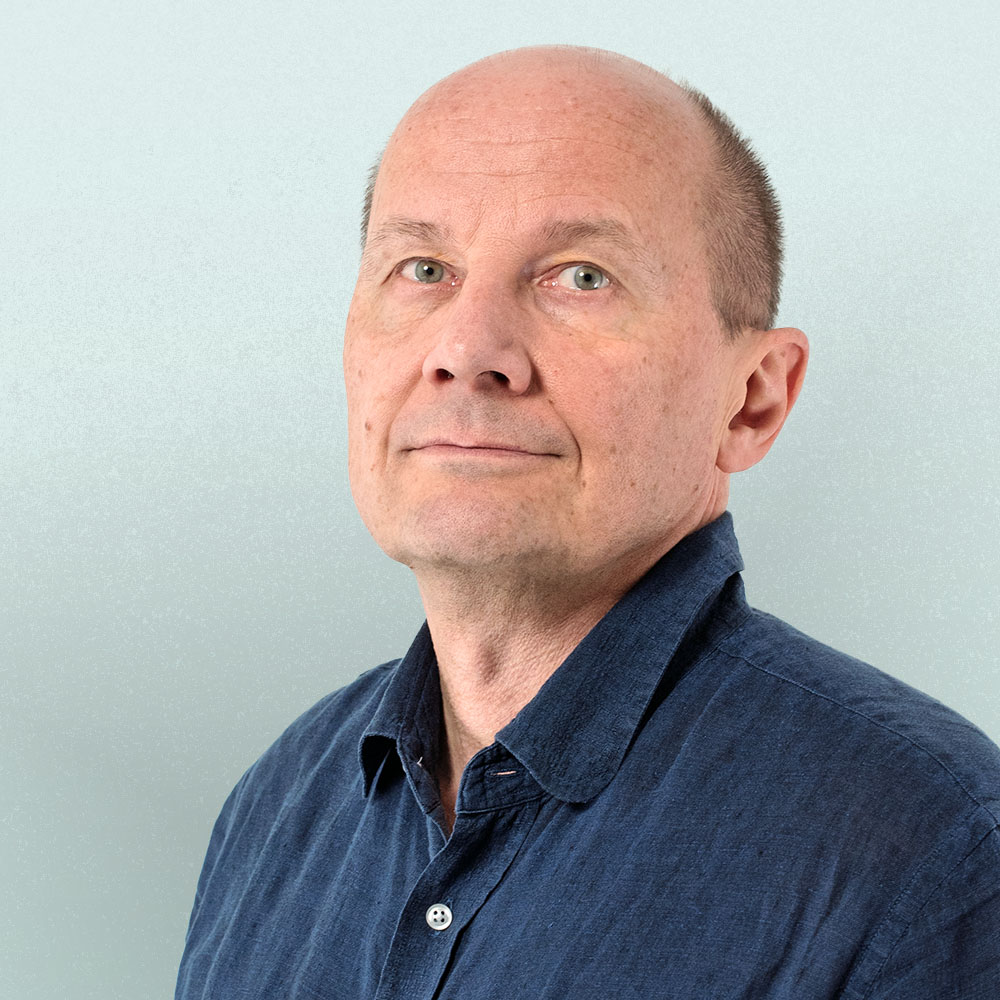
Riikka Vasama: “Our role is to increase understanding and competence about how working life is perceived by foreign workers”
TEXT TIIA KYYNÄRÄINEN PHOTO ANTTI HYVÄRINEN
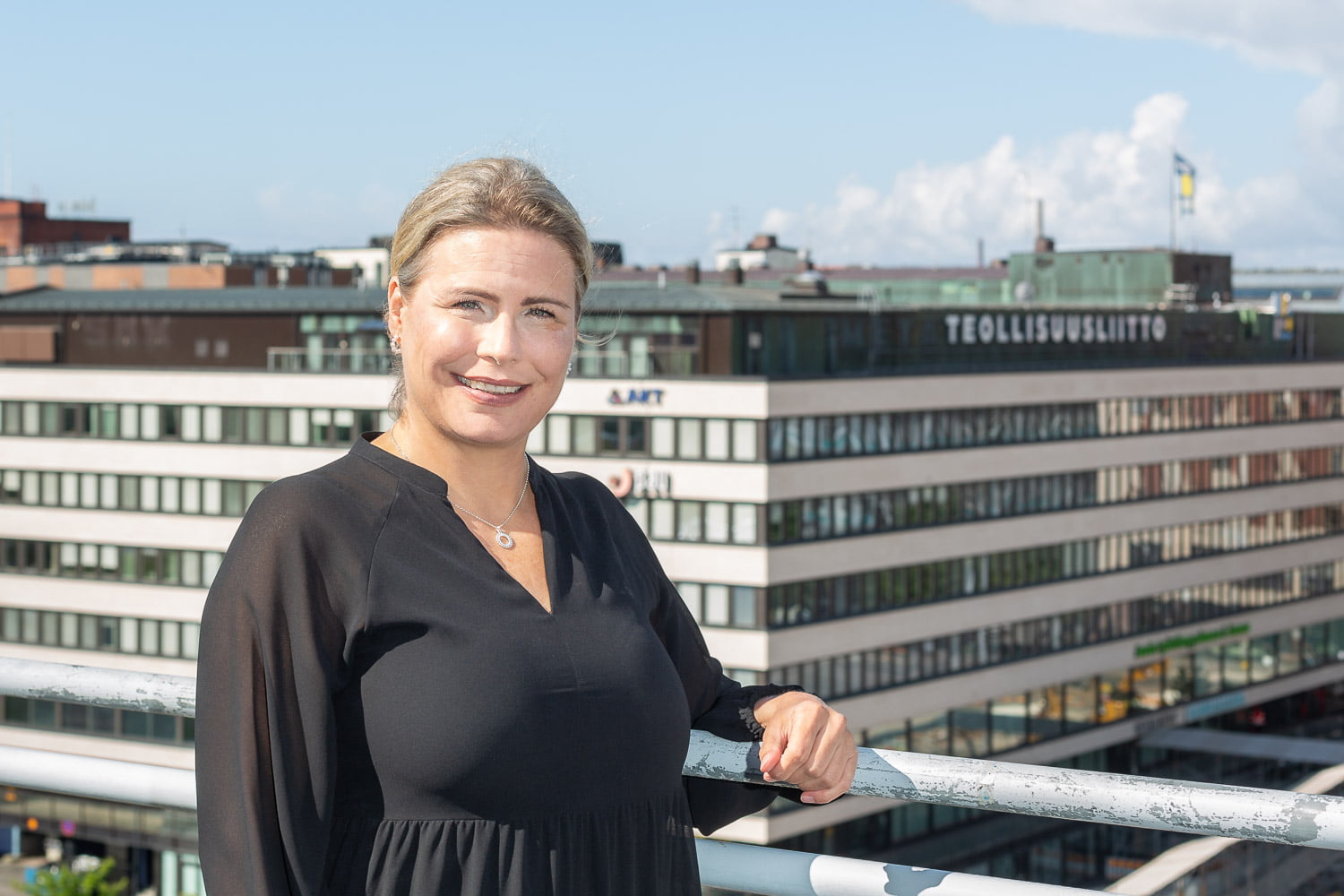
Riikka Vasama, head of the Industrial Union’s Foreign Labour Unit, sees the new unit’s focus to be on developing the organisation of the Industrial Union in matters related to diversity in working life.
In response to the transformation of working life, the Industrial Union has decided to establish a new Foreign Labour Unit. Its goal is to develop the union’s ability to take in members who speak other languages, take their needs into consideration and involve them in the union’s activities. The unit is headed by Riikka Vasama.
“I am very proud of the Industrial Union for establishing and investing in the new unit. This is how we stay involved in the transformation of working life,” Vasama says.
“The theme also came up in speeches given at the Union Congress. This is a clear example that member initiatives can lead to visible changes.”
Besides developing the union’s activities, the unit is also tasked with the development of Finnish society to improve the well-being and conditions of everyone working in Finland.
FOCUS ON TEOLLISUUSLIITON HERMES AND TRAINING
The unit began its work in early August. Early on, the unit’s focus is on developing and maintaining the Industrial Union’s Teollisuusliiton Hermes mobile app. Among other things, the app offers information about practices in Finnish working life in nine languages.
“Teollisuusliiton Hermes is one tangible example of the work done in our unit. It has recently expanded to include the technology industry, but our other agreement sectors will also be covered by the app in the future,” Vasama explains.
“The app is intended as a tool for our union representatives at workplaces, members and staff. In addition to rules and practices in the labour market, the app contains information about the union and its activities in several languages. In connection with the app’s development, the union also took down language barriers by publishing membership application forms in several languages.”
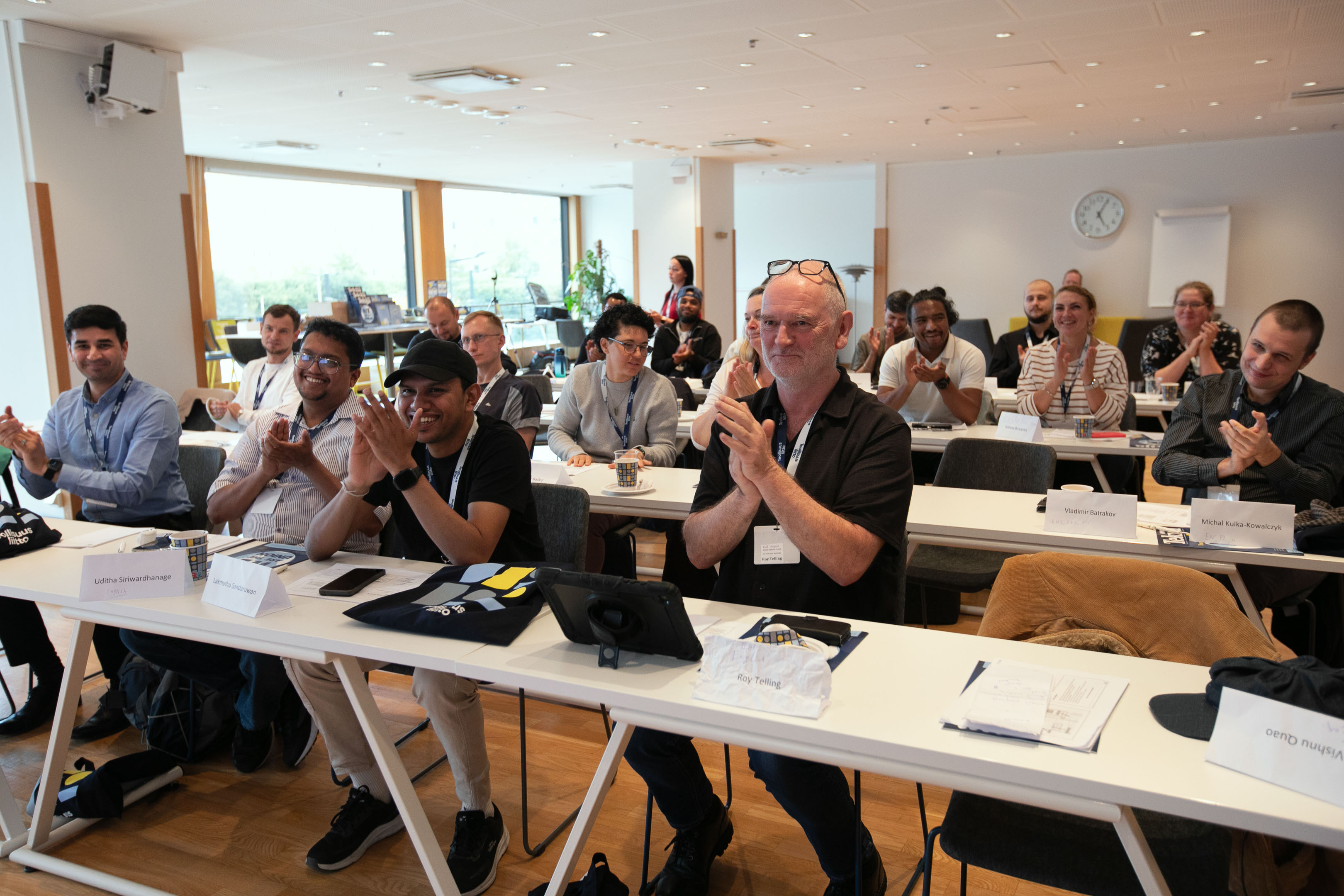
In addition to the app, the unit provides training to the union’s staff and representatives at workplaces.
“Our role is to increase understanding and competence about how working life is perceived by foreign workers. This involves a lot of special characteristics and know-how, such as work permit procedures and knowledge of the requirements of the Aliens Act.”
Teollisuusliiton Hermes is one tangible example of the work done in our unit.
In addition, the unit supports the union’s advisory service for members. Vasama notes that the advocacy of persons with a non-Finnish background requires a different kind of sensitivity than advocacy work involving Finnish workers, for example. People arriving from outside the EU stay in Finland with a work permit. This may lower their willingness to work with a union and receive assistance in case of disputes with the employer.
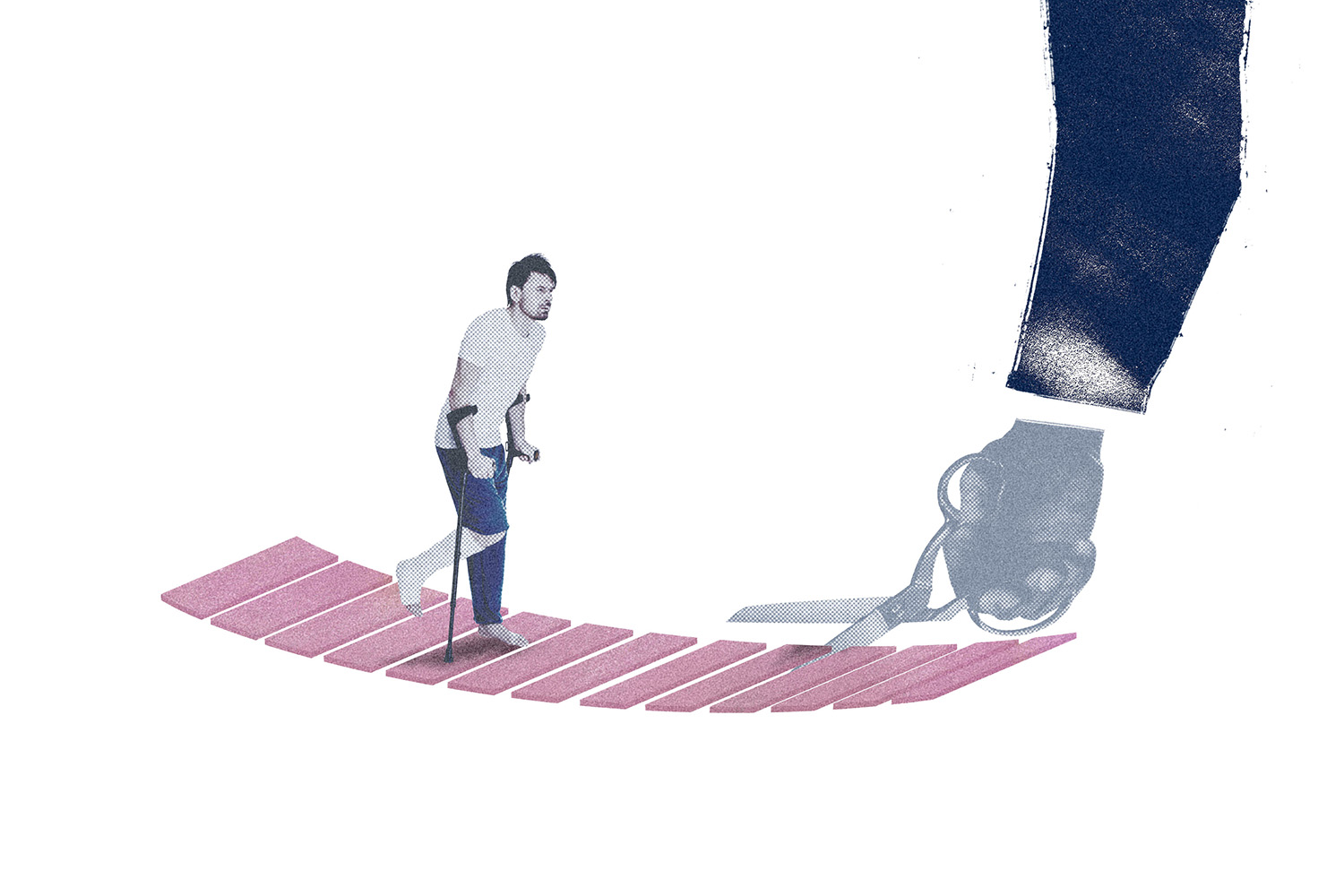
“When we help, provide advice or deal with conflicts, we need to be able to act and recognise the risk that the person may end up in trouble by defending their rights. Even now, we are seeing cases where the employment is terminated following a dispute with the employer,” Vasama says.
“Although work permits are not employer-specific, it is very difficult for a person who is not fluent in Finnish and has little networks to find new work, at least on short notice. The situation may become even harsher if the current Finnish government’s plans to require workers to leave the country within three months of the employment relationship ending are put into practice.”
According to Vasama, the unit wants to see a union that can fit everyone under its umbrella.
“Naturally, we also want to increase the representation of workers who speak different languages among the union’s representatives at workplaces and decision-making bodies.”
NEW MEMBERS THROUGH PEOPLE
The Finnish labour market has become significantly more international in recent years. The number of workers born outside Finland has increased in the labour market. However, the number of foreigners who are members of a trade union has not grown at the same rate.
“In many cases, this is already due to the fact that workers coming from other countries lack information about the Finnish labour market and the role of trade unions. On the contrary, they can often have significant prejudices depending on the country of origin.”
According to Vasama, it is crucial that information about our labour markets and trade unions is shared as widely as possible. This is where the Teollisuusliiton Hermes app has an important role.
“I have high hopes for Teollisuusliiton Hermes. As the app continues to expand and becomes more widely known, we will be able to share valuable information to an even larger audience. After all, the most essential feature of the app is that you’re able to change languages with the touch of a button and find information in many languages.”
Vasama also believes that information spreads effectively from people to people.
“I am a strong believer in the power of word of mouth. Experience has taught me that satisfied members will spread the word and lead to new members joining the union,” Vasama says.
“Cooperation with the authorities is also important. Although the authorities do not explicitly instruct employees to join a trade union, they have shared information about the app. A warm thanks also goes to employers who, in the spirit of fair play, inform workers about the app and fair terms of employment in their industry.”