Duration of war crucial to effects it will have
TEXT ANTTI HYVÄRINEN AND HEIKKI JOKINEN
PHOTO LEHTIKUVA
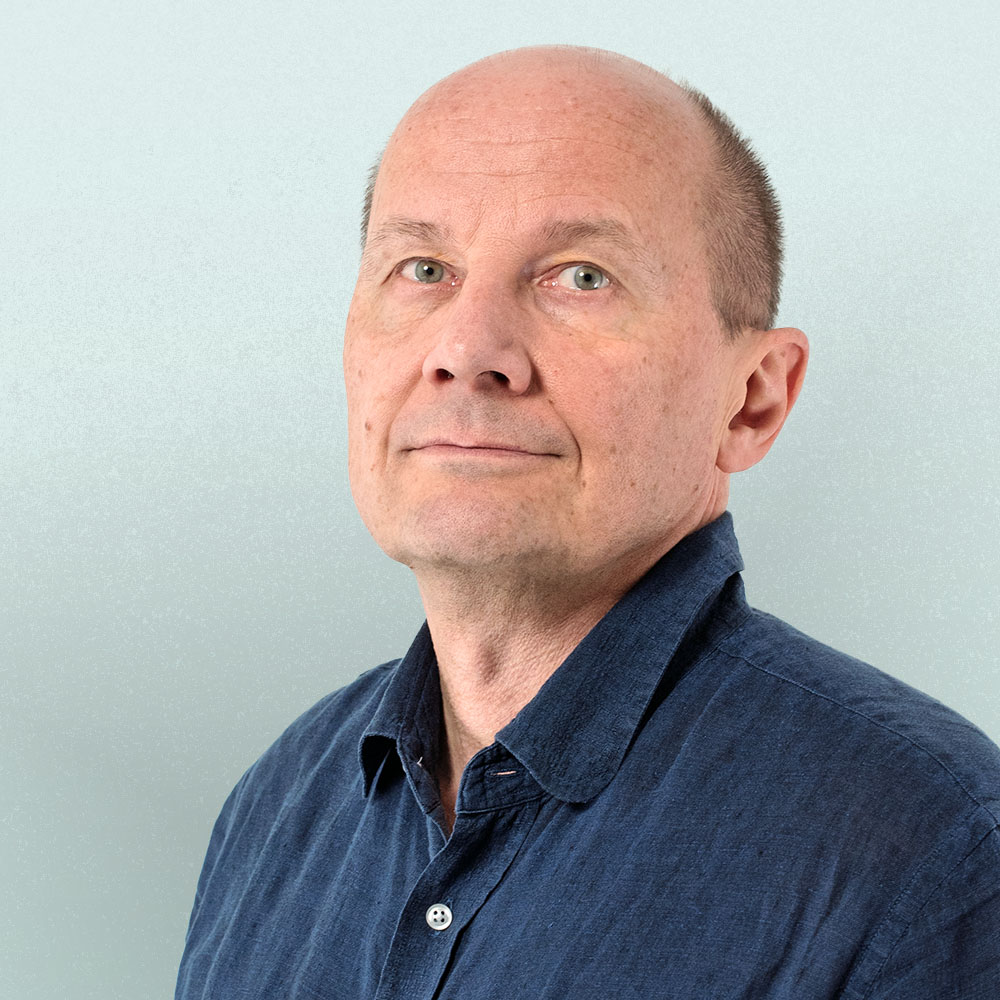
The war in Iran will weaken Finnish economic development, says Timo Eklund, the chief economist at the Industrial Union. With a longer war, the threats are higher interest rates and negative effects on exports.
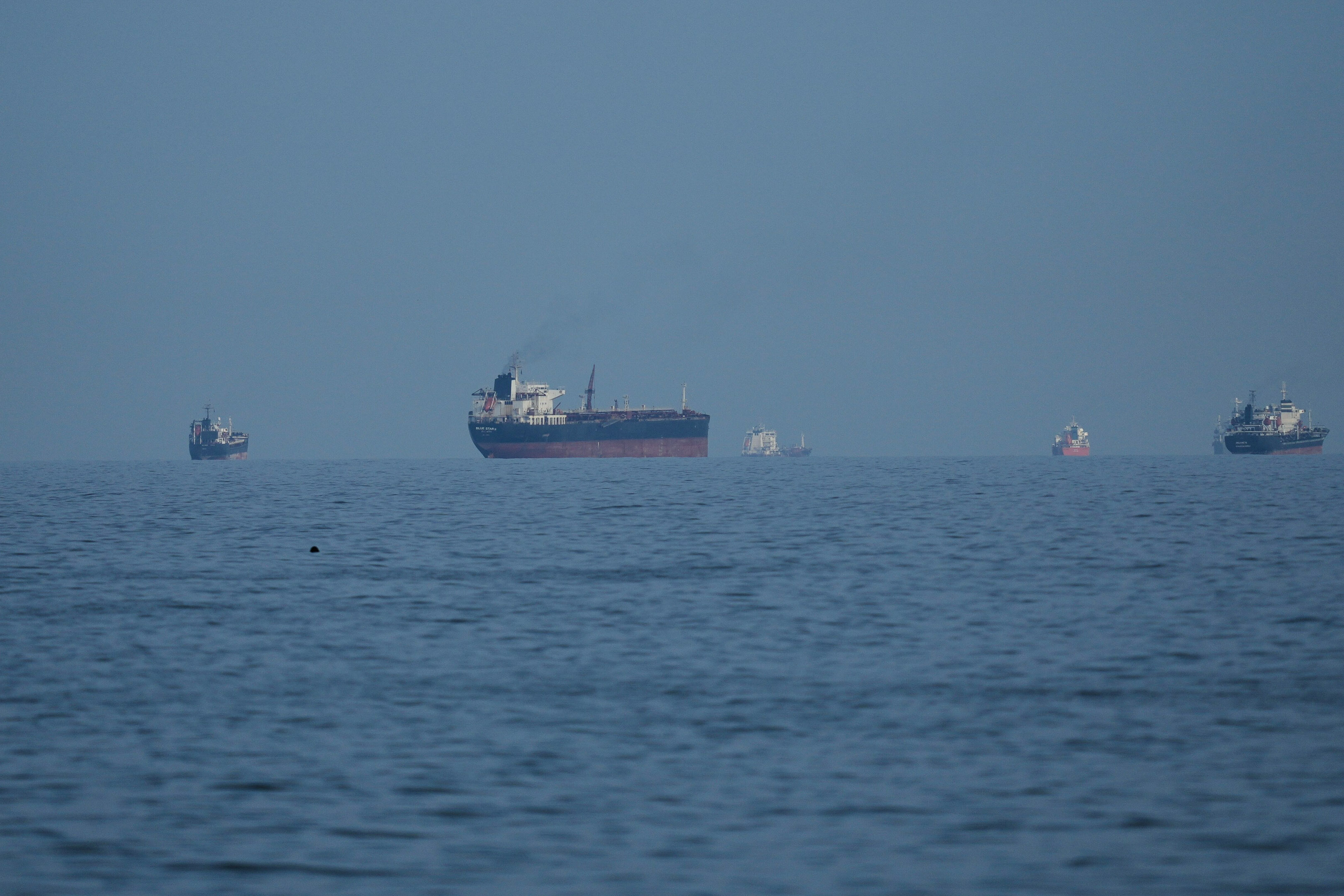
Israel and the United States commenced bombing Iran on 28 February 2026. Iran’s countermeasures have caused serious disruption to the availability of oil and gas. As a consequence of the war, the oil price has been climbing to more than one hundred US dollars a barrel (about 159 litres). The last time such a price hike happened was when Russia started the war in Ukraine.
Timo Eklund, the chief economist at the Industrial Union says that the crucial question for Finnish economic development is the duration of the war.
– If the war ends soon, it will not affect economic development much in Finland. The effect of oil on the economy has become less pronounced; 20 years ago there would have been an atmosphere of crisis in this kind of situation.
SHORT OR LONG WAR?
If the war lasts for a longer time, the central threat to Finnish economic development is a rise in interest rates.
From the Finnish perspective, the policy of the European Central Bank ECB has been too rigid. In Finland, the rise in prices and economic growth have been slower than in the rest of the Euro Zone.
The war in the Near East raises prices and inclines the ECB to seriously consider raising the interest rate, though it is already too high for Finland.
– In the 2020s, there has been a lot of talk that the Finnish economy is exceptionally sensitive to interest rates. If, instead of a much-needed cut in the interest rate, we have a rise in the interest rate, it could freeze household consumption, Eklund says.
The Finnish economy is exceptionally sensitive to interest rates.
In Finland, home loans typically have a flexible interest rate. This means that changes in the interest rate would quickly affect householders‘ purchasing power.
Higher interest rates could slow down the strengthening of purchasing power gained by pay rises. For instance, the pay rise for the technology industry, negotiated by the Industrial Union, raised pay by 2.9 per cent from the beginning of March.
WHAT HAPPENS IN GERMANY?
The economic development in Germany is important for Finland, too. Germany has started to invest more. It is expected that this will increase the demand for Finnish industrial products like machines, electronics and defence equipment.
On the other hand, the war in Ukraine has shown that Germany is sensitive to gas prices. The war in Iran might decrease investments.
– As these problems have been experienced once already, perhaps now it will be easier to act even given a more difficult situation.
– At this stage, it seems that the war will slow down Finnish economic growth a bit, Eklund says. However, he does not see any major setbacks for the industry.