Many people believe in fake news and conspiracy theories. The reason is simple: they want to understand and make sense of a distressing and chaotic world.
The flood of crises, wars and personal problems create a situation where there is a longing for simple and black-and-white explanations of the world, says Joonas Pörsti, a doctoral researcher and editor-in-chief for Faktabaari, the Finnish fact-checking service.
– People want to hear how things ”really” are.
Leaders like Donald Trump and Vladimir Putin offer simple explanations to problems. In the USA, immigrants are blamed and Russia claims that Nazis are in power in Ukraine.
THREE KINDS OF FAKE NEWS
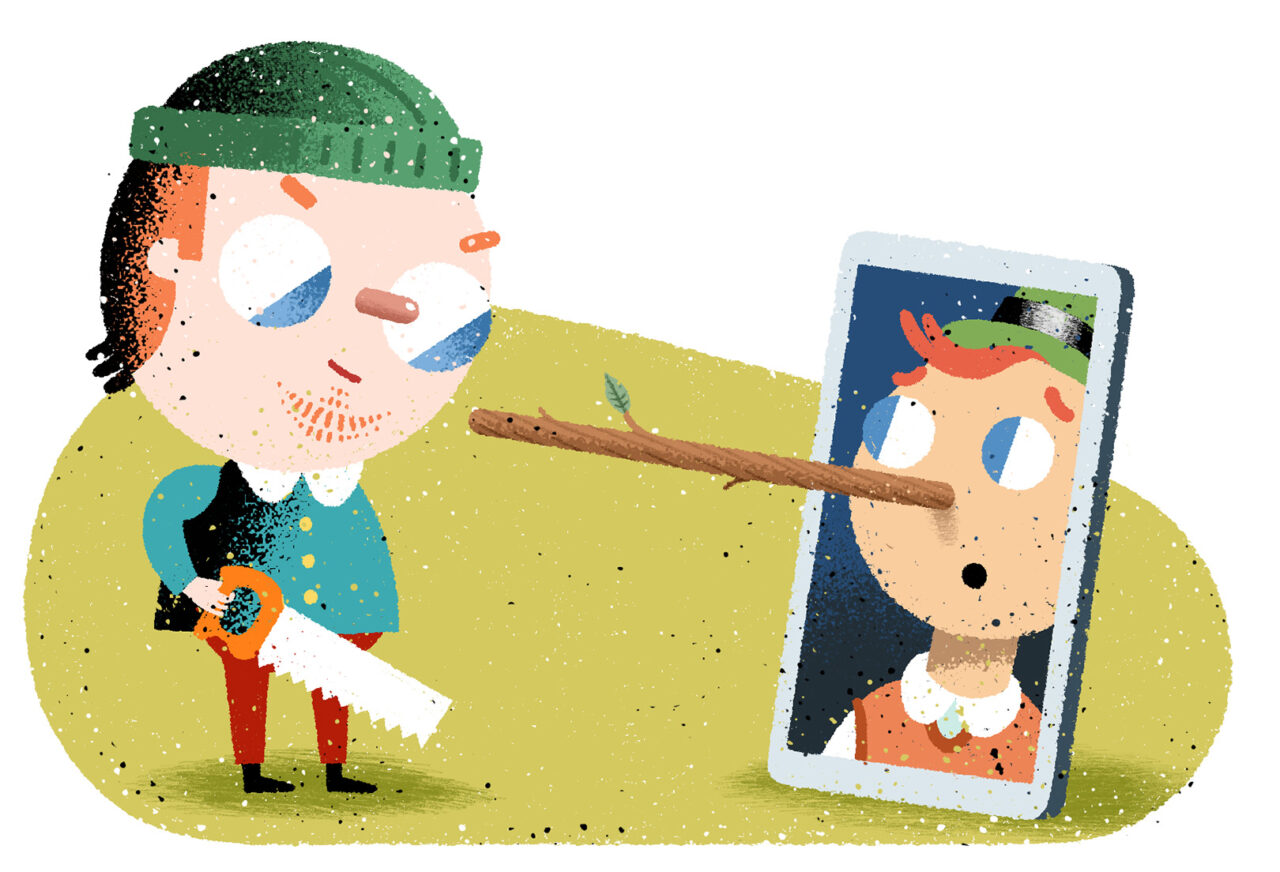
There are three kinds of fake news: misinformation, disinformation, and malinformation.
Misinformation is fake or misleading information that is spread without an intentional aim to mislead.
Disinformation is fake information spread intentionally with the goal of harming or misleading the recipient. For instance, Russian troll factories produce and distribute disinformation on social media. They have tried to influence elections in France, Moldova, the USA, and elsewhere.
Fake news is designed to cause a shudder.
Malinformation is correct information but in a false context or without essential background. It is aimed at harming the reputation of a person, company or country.
In Finland, the democratic system is based on a free flow of information, broad discussion and consideration based on these.
If public debate is filled with masses of lies, it complicates open discussion and functioning democracy. When distrust of the scientific community, free media, courts and healthcare grows, democratic decision-making face serious challenges. This is exactly what the fake news distributors set out to do.
WHERE IS IT FROM?
Source criticism and media literacy form the basis recognising fake news. Source criticism means finding out where the information is from. Is it a real news video or content created by artificial intelligence?
There are three stages to recognising fake news: stop, think and check. Or, simply, take a cup of coffee.
– Fake news is designed to cause a shudder. Therefore, one should think calmly before clicking further. When checking, it is good to see what there is to find out about the issue elsewhere, for example in quality media, Joonas Pörsti says.
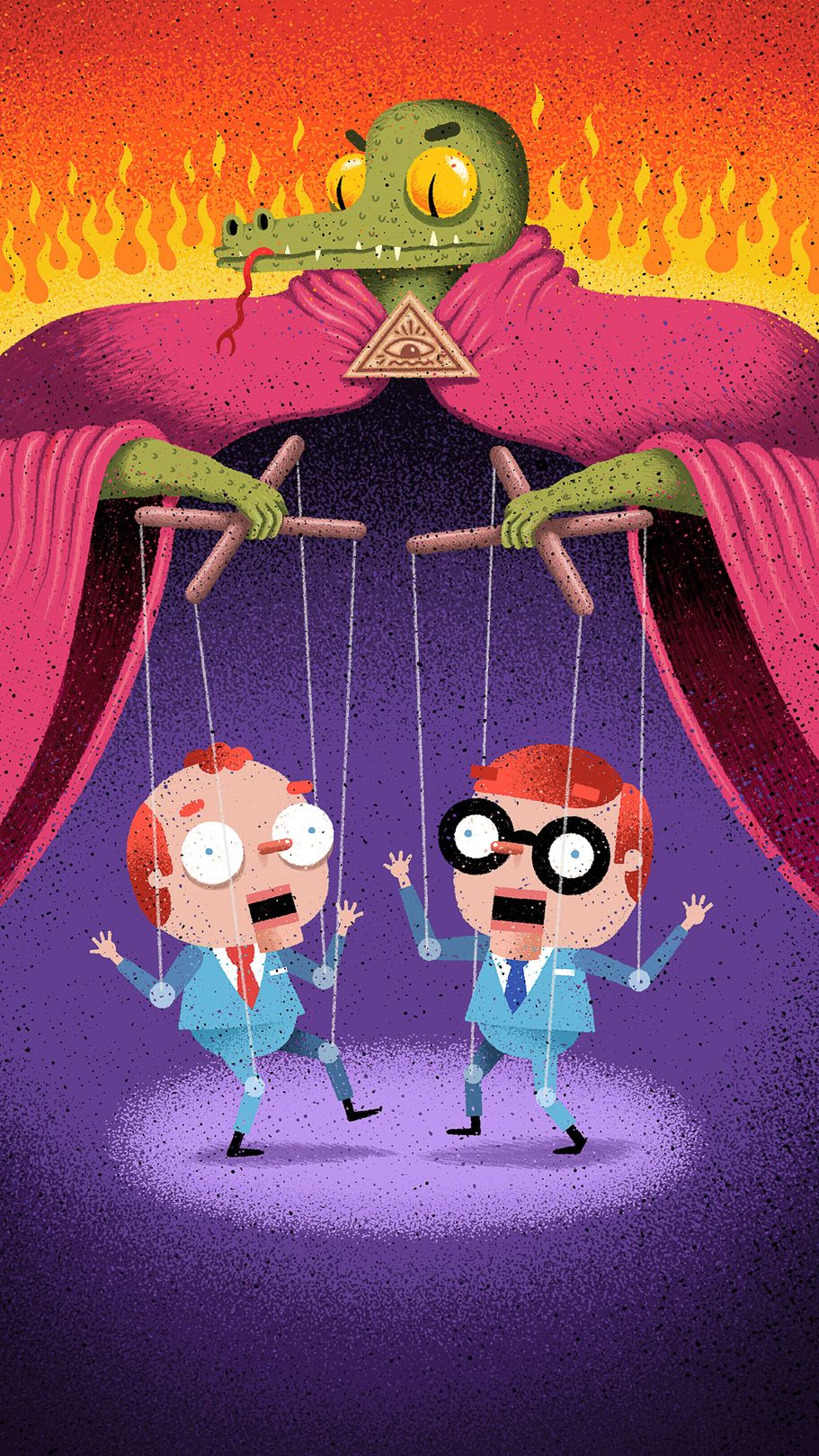
In Finland, fake news is made mainly by social media accounts focusing on certain issues and often using AI. Their goal might be to cause confusion, influence opinions, spread false information or make money by getting lots of clicks.
One growing phenomenon is opposition to science. It can appear as defaming named researchers, branches of science or the whole scientific community. This is often based on selective use of research, personal experiences or conspiracy theories.
Tech giants have been dismantling their fact checking recently. Now, disinformation is spread more freely than before.
– The content that instills fear and hate is spreading faster than real news. If I write a conspiracy theory or some incredible piece of fake news, many people will get a desire to click on it, Pörsti says.